
Polynucleotides Under Eyes: Benefits, Results, Side Effects and How Long They Last
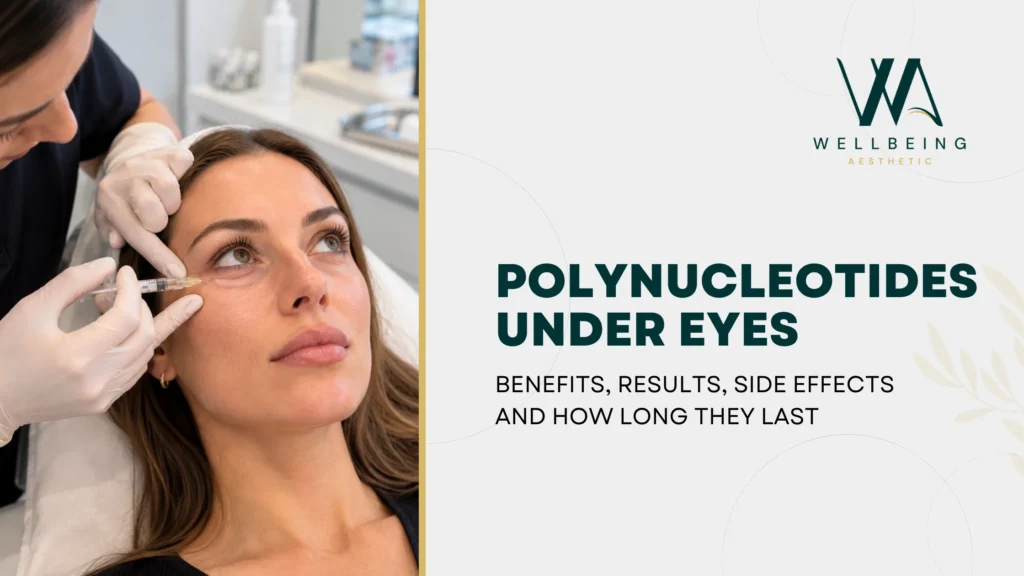
Polynucleotides Under Eyes: Benefits, Results, Side Effects and How Long They Last Under-eye polynucleotides are injectable treatments used to improve skin quality rather than add volume. They may help with thin, crepey or dehydrated-looking skin and fine lines, while true under-eye hollows usually require a different approach. Treatment normally involves a short course rather than one appointment. Concealer can settle into fine lines when under-eye skin is dry, thin or crepey, although several factors can contribute to how the area looks. It is one of the reasons polynucleotides have become part of Wellbeing Aesthetic’s regenerative treatment range in Croydon, alongside dermal fillers and Profhilo. Unlike a filler, polynucleotides do not add volume under the eyes. They work at a cellular level to support the skin’s own repair processes, which is why they are often considered for thin, crepey or tired-looking under-eye skin rather than visible hollows. This guide covers what polynucleotides actually are, how they work under the eyes, what results and side effects to realistically expect, how long results last, and who should avoid the treatment altogether, including an important point about fish allergy. None of this replaces a proper consultation. Skin type, medical history and your goals all affect whether polynucleotides are the right starting point for you, which is why a treatment plan should always begin with an assessment rather than a menu. Key Takeaways Repairs rather than fills. Polynucleotides work at a cellular level to support skin repair and regeneration rather than adding volume the way a filler does. Built around a short course. Most practitioners recommend three to four sessions spaced two to four weeks apart rather than a single appointment. Results build progressively. Improvements in skin texture, hydration and fine lines typically develop over the weeks following treatment, not immediately. Fish allergy is an important contraindication. Most polynucleotide products are derived from purified salmon DNA, so a known fish or seafood allergy generally rules out this treatment. Not a fix for hollowing caused by volume loss. Under-eye hollows from lost structure are usually better addressed with a dermal filler rather than polynucleotides. Side effects are usually mild. Temporary swelling, bruising or tenderness at injection points are the most commonly reported reactions. Results can last several months. Benefits build across a course and are generally reported to last around six months, with maintenance reviewed individually. Pricing reflects the clinic and course length. UK under-eye polynucleotide sessions generally fall between £250 and £500 each. What Are Polynucleotides? Polynucleotides are an injectable treatment made from purified DNA fragments, designed to support the skin’s own repair and regeneration processes rather than add shape or volume. They are often grouped with other bio-stimulatory treatments because they work with the skin’s biology instead of sitting beneath it like a filler. Most polynucleotide products used across the industry are derived from purified salmon DNA, which is why a known fish or seafood allergy is treated as an important contraindication and something your practitioner will ask about at consultation. You can see examples of the results this treatment produces in the Wellbeing Aesthetic gallery, alongside the clinic’s other regenerative treatments. How Do Polynucleotides Work Under the Eyes? The skin under the eyes is thinner and more delicate than almost anywhere else on the face, which is why it is often the first area to show fine lines, crepiness or a tired appearance. A practitioner delivers small, precise deposits of polynucleotides just beneath the skin surface in this area. Once injected, the fragments support the activity of fibroblasts, the cells responsible for producing collagen and elastin, while also helping the tissue hold moisture. Over several weeks, many patients notice firmer, better hydrated skin with a smoother texture around the eyes. What Are the Benefits of Polynucleotides Under the Eyes? Improved skin texture and firmness as collagen and elastin production is supported Better hydration in an area that is often thin and prone to dryness A reduction in the appearance of fine, superficial lines under the eyes Suitability for patients who do not want, or do not need, added volume in this area A regenerative option that can be considered alongside or instead of filler, depending on the underlying cause of your concern These are gradual, quality-focused outcomes rather than a dramatic change overnight. Where skin repair and texture are the main goal rather than volume, some patients also ask about PRP treatment, which works on a similar regenerative principle using the patient’s own plasma. Polynucleotides vs Dermal Filler vs Profhilo for Under Eyes These three treatments are sometimes confused because they can all be used around the eyes, yet they solve different problems. The table below sets out how they compare. Treatment Main Purpose Typical Results Last Best For Polynucleotides Cellular repair and skin regeneration Around 6 months Thin, crepey or tired-looking under-eye skin without hollowing Dermal Filler Restoring lost volume in the tear trough 9 to 18 months Visible hollows or shadowing caused by lost volume Profhilo Bio-remodelling and collagen stimulation 6 to 12 months General skin laxity across the face, neck or hands If your main concern under the eyes is a visible hollow rather than skin quality, our lip filler swelling stages guide gives a sense of what to expect from hyaluronic acid filler healing, since the same product category is often used in the tear trough. EXPLORE YOUR OPTIONS If skin quality, rather than lost volume, is your main concern under the eyes, it’s worth exploring the full range of treatments available at Wellbeing Aesthetic before deciding what to book. Explore Treatments → What Happens During a Polynucleotide Treatment for Under Eyes? Consultation and assessment. Your practitioner reviews your skin, medical history and goals, and screens specifically for fish allergy before confirming you are suitable. Cleansing and preparation. The area is cleaned thoroughly, and numbing cream can be applied if you find injections uncomfortable. Micro-injections. Small, precise deposits are placed just beneath the skin around the orbital area using a fine needle. Aftercare guidance. You will be talked
Skin Booster Treatment in Croydon, London: Benefits, Cost, Procedure, Results and Aftercare
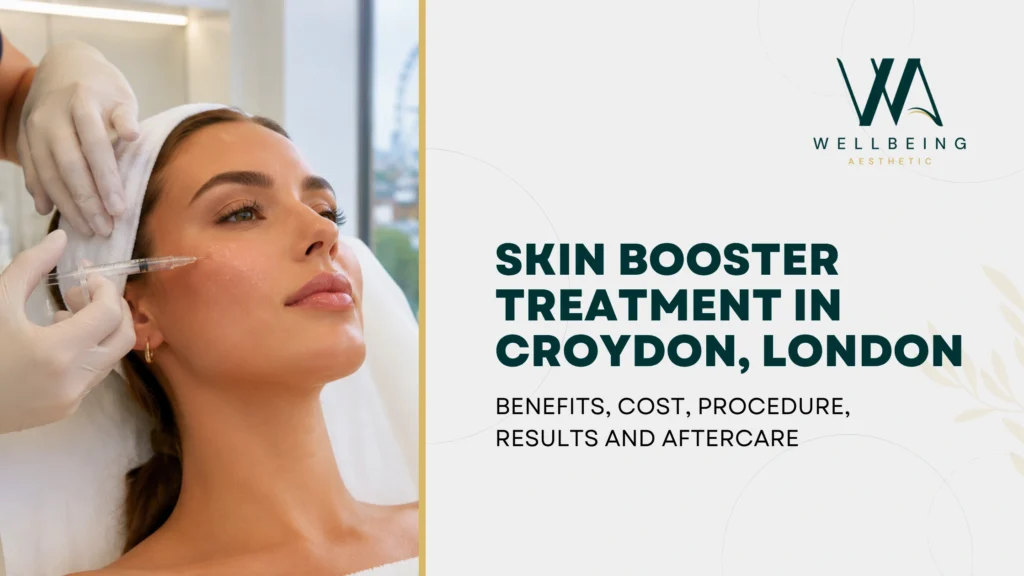
Skin Booster Treatment in Croydon, London: Benefits, Cost, Procedure, Results and Aftercare Dull, tight, dehydrated skin does not usually respond to another serum. You can layer on hyaluronic acid moisturiser every night and still catch your reflection under office lighting and think your skin looks tired rather than tired you feel. That gap between how your skin looks and how well you are taking care of it is exactly the problem skin boosters were designed to close. Skin boosters have become one of the most requested treatments among people in their late twenties, thirties, and forties who are not chasing a dramatically different face, just a healthier looking one. They sit in an unusual space in aesthetic medicine: not a filler, not a wrinkle treatment, but a way of putting hydration back into the skin itself, at a depth no cream can reach. If you are based in Croydon or the wider South London area and searching for what a skin booster treatment actually involves, this guide covers how the treatment works, what it costs, how long results last, and what a sensible aftercare routine looks like. It also looks honestly at when a skin booster is the right call and when a different treatment, such as Profhilo or a dermal filler, might serve you better. None of these replaces a proper consultation. Skin type, medical history, and goals all affect whether skin boosters are the right starting point, which is why every treatment plan at a medically led clinic should begin with an assessment rather than a menu. Key Takeaways Skin boosters treat hydration, not volume. They use micro injections of hyaluronic acid to improve texture and radiance, unlike dermal fillers, which restore lost volume and contour. Results build gradually. Most people notice improved hydration and glow over two to four weeks, not immediately after the appointment. A course works better than a single session. Clinics typically recommend two to three initial sessions spaced several weeks apart, followed by maintenance roughly every four to six months. Downtime is minimal for most people. Mild redness or small bumps at injection points usually settle within a day or two, though bruising is possible. Pricing varies depending on product and location. UK skin booster sessions generally fall between £150 and £450, with London clinics often at the higher end of that range. They are not the same as Profhilo. Skin boosters use lower concentration hyaluronic acid to spread across a wider area, while Profhilo uses a small number of higher concentration injection points to stimulate collagen. Aftercare protects your results. Avoiding makeup, saunas, and strenuous exercise for around 24 hours helps reduce irritation and supports even product distribution. Not everyone is a suitable candidate. Pregnancy, breastfeeding, active skin infections, and certain medical conditions typically mean postponing or avoiding treatment until a practitioner confirms it is appropriate. What Are Skin Boosters? Skin boosters are injectable hyaluronic acid treatments designed to hydrate the skin from within rather than add volume or shape. A practitioner delivers a series of fine micro injections across the treatment area, most often the face, neck, or hands, placing the product just beneath the skin surface where it draws in and holds moisture. Because the formulation is thinner than a typical dermal filler, skin boosters spread evenly through the skin rather than sitting in one spot. That is what makes them suited to overall skin quality rather than to reshaping a specific feature. Many people describe the effect as an injectable version of a deep moisturiser, one that keeps working long after a topical product would have been absorbed and washed away. You can find a summary of skin boosters alongside Wellbeing Aesthetic’s other treatments, including how they compare to Profhilo and dermal fillers on the same page. How Do Skin Boosters Work? Hyaluronic acid occurs naturally in the skin but declines with age, sun exposure, and general wear. Skin boosters replenish that supply directly in the dermis, where the molecule binds to water and gradually plumps into the surrounding tissue. Over several weeks, many patients also see a modest improvement in skin elasticity, since better hydrated skin tends to support its own structure more effectively. What Are the Benefits of Skin Booster Treatment? Skin boosters are most valued for the improvements they bring to skin quality rather than shape. Reported benefits typically include: Noticeably improved hydration and a healthier, less dull complexion Smoother skin texture and a reduction in the appearance of fine, superficial lines A subtle increase in elasticity and firmness as hydration levels improve A more even, radiant look often described as a natural glow rather than an obvious change Suitability for areas that do not need volume, such as under the eyes, the neck, or the backs of the hands These are realistic, gradual outcomes rather than dramatic transformations. Anyone expecting the kind of change associated with dermal fillers is usually better served by a different treatment, or a combination of approach agreed during a consultation. If dehydrated, tired looking skin is your main concern, it’s worth seeing how skin boosters sit alongside Wellbeing Aesthetic’s full range of aesthetic treatments in Croydon before deciding what to book. Skin Boosters vs Dermal Fillers vs Profhilo: What Is the Difference? These three injectable treatments are frequently confused because they all use hyaluronic acid, yet they solve different problems. The table below sets out how they compare. Treatment Main Purpose Typical Results Last Best For Skin Boosters Deep hydration and improved skin texture 4 to 6 months Dull, dehydrated, or tired looking skin without volume loss Dermal Fillers Restoring lost volume and contour 9 to 18 months Hollowed cheeks, thinning lips, or lost facial structure Profhilo Bio remodeling and collagen stimulation 6 to 12 months Overall skin laxity and quality across the face, neck, or hands What Happens During a Skin Booster Treatment in Croydon? A skin booster appointment follows a consistent structure, though the number of injection points and total treatment time depends on the area covered.