

Polynucleotides Under Eyes: Benefits, Results, Side Effects and How Long They Last
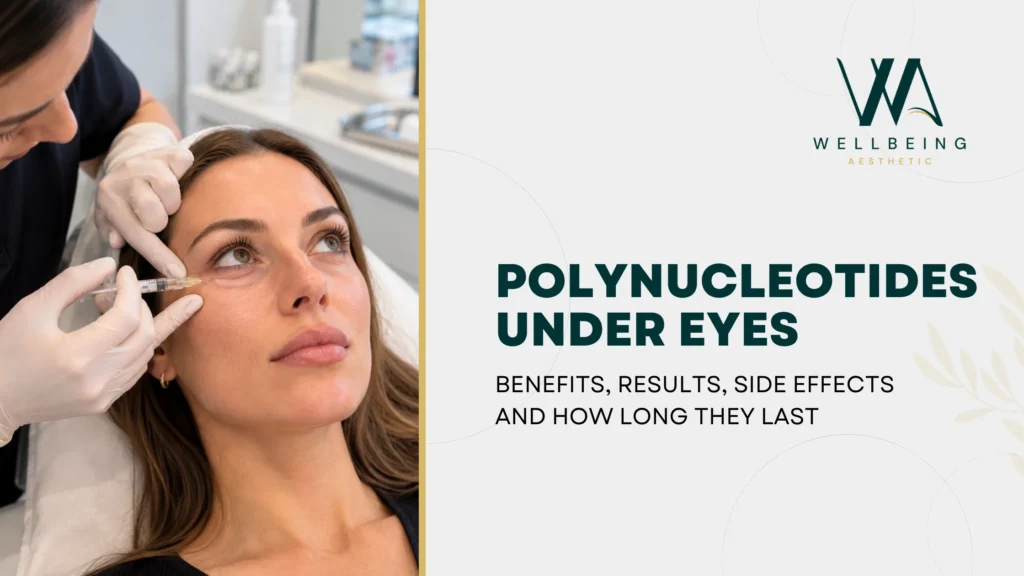
Polynucleotides Under Eyes: Benefits, Results, Side Effects and How Long They Last Under-eye polynucleotides are injectable treatments used to improve skin quality rather than add volume. They may help with thin, crepey or dehydrated-looking skin and fine lines, while true under-eye hollows usually require a different approach. Treatment normally involves a short course rather than one appointment. Concealer can settle into fine lines when under-eye skin is dry, thin or crepey, although several factors can contribute to how the area looks. It is one of the reasons polynucleotides have become part of Wellbeing Aesthetic’s regenerative treatment range in Croydon, alongside dermal fillers and Profhilo. Unlike a filler, polynucleotides do not add volume under the eyes. They work at a cellular level to support the skin’s own repair processes, which is why they are often considered for thin, crepey or tired-looking under-eye skin rather than visible hollows. This guide covers what polynucleotides actually are, how they work under the eyes, what results and side effects to realistically expect, how long results last, and who should avoid the treatment altogether, including an important point about fish allergy. None of this replaces a proper consultation. Skin type, medical history and your goals all affect whether polynucleotides are the right starting point for you, which is why a treatment plan should always begin with an assessment rather than a menu. Key Takeaways Repairs rather than fills. Polynucleotides work at a cellular level to support skin repair and regeneration rather than adding volume the way a filler does. Built around a short course. Most practitioners recommend three to four sessions spaced two to four weeks apart rather than a single appointment. Results build progressively. Improvements in skin texture, hydration and fine lines typically develop over the weeks following treatment, not immediately. Fish allergy is an important contraindication. Most polynucleotide products are derived from purified salmon DNA, so a known fish or seafood allergy generally rules out this treatment. Not a fix for hollowing caused by volume loss. Under-eye hollows from lost structure are usually better addressed with a dermal filler rather than polynucleotides. Side effects are usually mild. Temporary swelling, bruising or tenderness at injection points are the most commonly reported reactions. Results can last several months. Benefits build across a course and are generally reported to last around six months, with maintenance reviewed individually. Pricing reflects the clinic and course length. UK under-eye polynucleotide sessions generally fall between £250 and £500 each. What Are Polynucleotides? Polynucleotides are an injectable treatment made from purified DNA fragments, designed to support the skin’s own repair and regeneration processes rather than add shape or volume. They are often grouped with other bio-stimulatory treatments because they work with the skin’s biology instead of sitting beneath it like a filler. Most polynucleotide products used across the industry are derived from purified salmon DNA, which is why a known fish or seafood allergy is treated as an important contraindication and something your practitioner will ask about at consultation. You can see examples of the results this treatment produces in the Wellbeing Aesthetic gallery, alongside the clinic’s other regenerative treatments. How Do Polynucleotides Work Under the Eyes? The skin under the eyes is thinner and more delicate than almost anywhere else on the face, which is why it is often the first area to show fine lines, crepiness or a tired appearance. A practitioner delivers small, precise deposits of polynucleotides just beneath the skin surface in this area. Once injected, the fragments support the activity of fibroblasts, the cells responsible for producing collagen and elastin, while also helping the tissue hold moisture. Over several weeks, many patients notice firmer, better hydrated skin with a smoother texture around the eyes. What Are the Benefits of Polynucleotides Under the Eyes? Improved skin texture and firmness as collagen and elastin production is supported Better hydration in an area that is often thin and prone to dryness A reduction in the appearance of fine, superficial lines under the eyes Suitability for patients who do not want, or do not need, added volume in this area A regenerative option that can be considered alongside or instead of filler, depending on the underlying cause of your concern These are gradual, quality-focused outcomes rather than a dramatic change overnight. Where skin repair and texture are the main goal rather than volume, some patients also ask about PRP treatment, which works on a similar regenerative principle using the patient’s own plasma. Polynucleotides vs Dermal Filler vs Profhilo for Under Eyes These three treatments are sometimes confused because they can all be used around the eyes, yet they solve different problems. The table below sets out how they compare. Treatment Main Purpose Typical Results Last Best For Polynucleotides Cellular repair and skin regeneration Around 6 months Thin, crepey or tired-looking under-eye skin without hollowing Dermal Filler Restoring lost volume in the tear trough 9 to 18 months Visible hollows or shadowing caused by lost volume Profhilo Bio-remodelling and collagen stimulation 6 to 12 months General skin laxity across the face, neck or hands If your main concern under the eyes is a visible hollow rather than skin quality, our lip filler swelling stages guide gives a sense of what to expect from hyaluronic acid filler healing, since the same product category is often used in the tear trough. EXPLORE YOUR OPTIONS If skin quality, rather than lost volume, is your main concern under the eyes, it’s worth exploring the full range of treatments available at Wellbeing Aesthetic before deciding what to book. Explore Treatments → What Happens During a Polynucleotide Treatment for Under Eyes? Consultation and assessment. Your practitioner reviews your skin, medical history and goals, and screens specifically for fish allergy before confirming you are suitable. Cleansing and preparation. The area is cleaned thoroughly, and numbing cream can be applied if you find injections uncomfortable. Micro-injections. Small, precise deposits are placed just beneath the skin around the orbital area using a fine needle. Aftercare guidance. You will be talked