
PRP Hair Treatment in London: Guide to Choosing the Right Clinic for Hair Growth
There is a reason PRP has become one of the most talked about treatments in hair clinics across London. It works with your body’s own biology, requires no surgery, no daily medication, and no significant downtime – and for the right candidate, it produces measurable, visible improvements in hair growth and density.
PRP stands for Platelet-Rich Plasma. It is a treatment that takes the growth factors naturally present in your own blood, concentrates them, and delivers them precisely to the scalp – where they signal follicles to become more active, produce thicker, stronger strands, and sustain a longer growth phase.
If you have been researching PRP hair treatment in London, you already know that dozens of clinics offer it. What you may not know is how much the quality of treatment varies from one clinic to the next. The practitioner’s medical background, the equipment used to prepare the PRP, the concentration achieved, and the personalization of your treatment plan all directly determine how well the treatment works.
This guide covers everything you need to make a confident, well-informed decision: how PRP stimulates hair growth, who it is suitable for, what results are genuinely realistic, how much it costs in London, and the seven essential checks to make before choosing your clinic.
How Does PRP Treatment Stimulate Hair Growth?
To understand why PRP produces results for hair growth, it helps to understand what is happening at follicle level when hair starts to thin. Thinning hair is typically the result of follicles spending too much time in the telogen phase and not enough time actively growing.
PRP intervenes at a biological level. Here is how the treatment works from start to finish:
- A small blood sample – typically 10 to 20ml – is drawn from your arm, exactly as it would be for a standard blood test.
- The sample is placed in a medical-grade centrifuge that spins at high speed, separating the platelet-rich plasma from red blood cells and other components.
- The resulting PRP is rich in growth factors – including PDGF, VEGF, EGF, and IGF-1 – the proteins your body uses naturally for tissue repair and cellular regeneration.
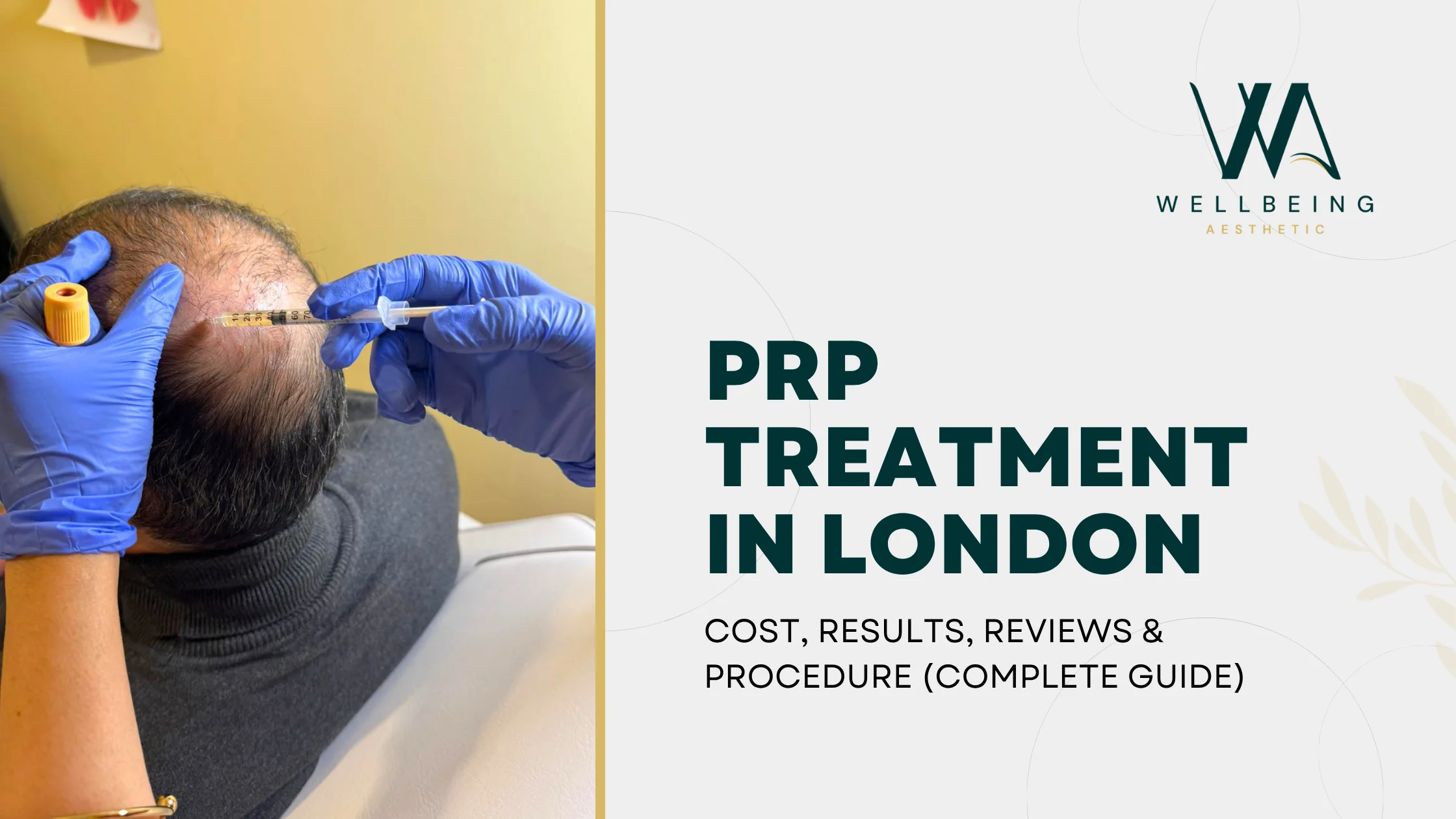
- This concentrated plasma is then injected in precise micro-doses directly into the follicular zone of the scalp, targeting the areas where growth needs support.
Once delivered to the scalp, those growth factors trigger a cascade of biological responses. They stimulate the stem cells in the hair follicle bulge, promote new blood vessel formation to improve the nutrient supply reaching each follicle, extend the active anagen growth phase, and encourage follicles that have become dormant to re-enter the growth cycle.
The result is not simply reduced shedding. Over the following weeks and months, patients typically experience improved hair density, noticeably thicker and stronger individual strands, and a meaningful improvement in overall hair quality.
The whole appointment takes around 45 to 60 minutes. There is no surgery, no general aesthetic, and no recovery time – most patients return to work the same day.
What Hair Growth Results Can You Realistically Expect from PRP?
One of the most important things to understand about PRP is that it works progressively. Hair growth is a biological process, and the results build over time rather than appearing immediately after treatment. Setting realistic expectations is essential – and any clinic that promises dramatic results quickly should be approached with caution.
Here is an honest, month-by-month picture of what most patients experience:
Weeks 1-4: Reduced Shedding
The growth factors from your first PRP session begin signaling follicle activity almost immediately, but visible changes take time to develop. During this early phase, many patients notice that excessive shedding starts to slow down. This is an encouraging early sign that follicles are stabilizing and beginning to transition into a more active state.
Weeks 6-12: Fine New Growth Appears
New fine hairs begin to emerge in areas that have thinned. Hair texture often improves noticeably during this phase – existing strands may feel stronger, and the scalp looks healthier overall. This is typically when patients start to feel confident that the treatment is working.
Months 3-6: Visible Density and Thickness
This is the period of most visible improvement. Hair density increases; individual strands grow thicker and more robust, and the overall appearance of the hair changes significantly. Most patients notice a clear difference in photographs compared to this period to their starting point.
Months 6-12: Optimal, Sustained Results
With a complete initial treatment course followed by maintenance sessions, results continue to build through this period. By the six-to-twelve-month mark, patients typically experience their best outcome – fuller, healthier hair with noticeably improved density and growth quality that is maintained with ongoing care.
A standard PRP hair growth protocol at Wellbeing Aesthetic involves three to four sessions spaced four to six weeks apart, followed by maintenance appointments every four to six months to sustain and build on your results. The exact number of sessions and intervals are always personalized based on your assessment and how your scalp responds.
How to Choose the Right PRP Hair Clinic in London: 7 Things to Check
London has more clinics offering PRP than almost any other city in the UK. The challenge is identifying which ones will actually deliver the results the treatment is capable of producing. Here are the seven things that matter most:
1. Medical Qualifications of the Practitioner
PRP involves drawing blood, centrifuge processing, and injecting into the scalp. It is a clinical procedure – not a beauty treatment – and it should be performed by, or under the direct supervision of, a medically qualified professional. Before booking, ask plainly: is the person performing the treatment of a doctor, a registered nurse, or a physician associate? What specific training have they completed in PRP for hair growth?
In the UK, a significant proportion of practitioners offering injectable treatments do not hold formal medical qualifications. Choosing a medically led clinic is not a luxury – it is the single most important factor in ensuring your treatment is safe, clinically appropriate, and genuinely effective.
At Wellbeing Aesthetic, PRP hair treatments are led by Dr. Huma Saeed – a medically qualified doctor with NHS clinical experience in evidence-based patient care. Every treatment decision is grounded in medical science, not an aesthetic convention.
2. Centrifuge Quality and PRP Concentration
The effectiveness of PRP is directly determined by the quality of the centrifuge used to prepare it. A medical-grade centrifuge produces a highly concentrated, biologically active PRP solution. Lower-cost equipment produces a less potent output – even if the procedure looks identical from the outside.
This is one of the most overlooked factors when patients compare clinics. Ask directly about the equipment used and whether the clinic can speak to the platelet concentration their system achieves. Clinics that can answer this confidently are operating to a higher standard.
3. A Thorough Scalp Consultation Before Treatment
A reputable clinic will never proceed with PRP without first carrying out a proper consultation. This should include a detailed assessment of your scalp condition and hair growth pattern, a review of your relevant health history, a frank discussion about whether PRP is appropriate for your specific situation, and a clear explanation of what results you can realistically expect.
If a clinic is willing to book you in for PRP without examining your scalp first, that is a significant red flag. The right treatment depends entirely on your individual profile.
At Wellbeing Aesthetic, every new patient begins with a free, no-obligation consultation. We will never recommend PRP – or any treatment – unless we genuinely believe it is the right approach for you.
4. Personalized Treatment Protocols
No two patients have the same hair growth pattern, scalp condition, or response to treatment. A good clinic builds your treatment plan around your specific assessment – not a one-size-fits-all course that every patient receives regardless of their needs.
The number of sessions required, the depth and technique of injections, and the interval between appointments should all be informed by your individual evaluation. If a clinic quotes you a standard package and price before assessing your scalp, be cautious.
5. Honest and Transparent Communication About Results
PRP produces real, measurable results for the right candidates – but outcomes vary between individuals, and no ethical practitioner will promise a specific outcome before seeing how your scalp responds. What you should expect from a trustworthy clinic is a frank, evidence-based conversation about what is realistic for your profile, with limitations acknowledged as clearly as benefits.
Be wary of clinics that use heavily edited before-and-after imagery without clinical context, promise dramatic changes in a single session, or avoid discussing the possibility that results may vary.
6. Proper Aftercare and Ongoing Review
PRP hair treatment is a course of treatment, not a standalone appointment. A clinic that takes your results seriously will provide clear aftercare guidance after each session, check in on your progress at follow-up appointments, and adjust your treatment plan based on how your scalp is responding. If you are not seeing the expected improvement at a given stage, a good practitioner will review the protocol and adapt accordingly.
7. Genuine, Verifiable Patient Reviews
Look for clinics with a track record you can independently verify – through Google reviews, third-party platforms, or direct patient testimonials. Specific, detailed reviews from real patients are far more meaningful than generic star ratings. A pattern of positive, consistent patient experiences over time is one of the strongest signals of a trustworthy clinic.
Who Is PRP Hair Treatment Suitable For?
PRP is a versatile treatment that suits a wide range of patients – not just those already experiencing significant hair loss. It is an equally strong option for anyone wanting to proactively invest in healthier, thicker hair growth before thinning becomes visible.
PRP tends to work best for:
- Men and women in the early to mid-stages of androgenetic alopecia (genetic hair thinning or pattern baldness)
- Patients experiencing gradual loss of hair density who want to act before the change becomes more pronounced
- People whose hair growth has been disrupted by stress, hormonal changes, nutritional deficiency, or postpartum shedding
- Those who want to strengthen and thicken existing hair without taking medication or undergoing surgery
- Patients who have tried topical treatments such as minoxidil and want more substantial or longer-lasting results
- Anyone seeking a natural, biologically driven approach to hair health using their body’s own growth factors
PRP is most effective where follicles are still active, even if they are underperforming. Where follicles have become fully inactive – for example, in advanced baldness where smooth scalp is visible with no fine hairs – PRP has less to stimulate. In those cases, a hair transplant consultation may be more appropriate.
The right first step is always a proper consultation with a medically qualified practitioner who can assess your scalp, evaluate the activity of your follicles, and give you an honest recommendation based on your individual situation.
The Benefits and Limitations of PRP for Hair Growth
The Benefits
- Uses your own body’s biology – no synthetic chemicals or foreign substances are introduced
- No surgery, no general an aesthetic, no recovery time – a full appointment takes around 45 to 60 minutes
- Addresses the biological cause of thinning at follicle level, not just the surface symptom
- Effective for both men and women, including those who want a non-hormonal, medication-free approach
- Can be combined with other treatments such as skin boosters, polynucleotides, or IV nutrition therapy for enhanced overall results
- Results continue to improve progressively over six to twelve months as collagen and hair growth cycles respond
The Limitations
- PRP works best when follicles are still active – it cannot regenerate follicles that have become fully dormant or scarred
- Results are not permanent – maintenance sessions every four to six months are required to sustain the improvement
- The treatment requires patience – meaningful results develop over months, not days
- Quality varies significantly between clinics depending on equipment and practitioner expertise
- Not suitable for all causes of hair loss – a consultation is essential to confirm suitability
PRP is one of the most clinically supported non-surgical options for hair growth available today – but choosing the right clinic is just as important as choosing the treatment itself.
How Much Does PRP Hair Treatment Cost in London?
PRP hair treatment pricing in London varies considerably depending on the clinic’s location, the qualifications of the practitioner, the equipment used, and whether pricing is per session or packaged.
As a general market guide, individual PRP sessions in London range from approximately £200 to £600 per session, with full initial treatment courses – typically three to four sessions – priced between £600 and £1,800. Premium Central London clinics based in Harley Street or Mayfair frequently charge at the higher end of this range, reflecting their location costs as much as their clinical quality.
There are a few important considerations when evaluating price:
- A lower price does not necessarily indicate poor quality – but it should prompt questions about the equipment and practitioner credentials
- A higher price does not guarantee better results – Central London pricing reflects rental costs and brand positioning, not always clinical superiority
- Packaged courses often represent better value per session than individual bookings, and committing to a course supports a consistent treatment protocol
- Maintenance sessions are part of the long-term investment – factor these into your planning from the outset
At Wellbeing Aesthetic in Croydon, we offer medically led PRP hair treatment at a price point that reflects our South London location rather than a Central London postcode – without any compromise on clinical quality, equipment standards, or practitioner expertise. We provide a transparent cost breakdown at your free initial consultation once we have assessed your scalp and determined the right protocol for you.
PRP vs Other Hair Growth Treatments
1. PRP vs Minoxidil
Minoxidil is a topical solution applied daily to the scalp. It works by improving blood flow to follicles and can help slow shedding and stimulate some regrowth. However, it requires indefinite daily application – stopping it typically reverses the benefit within months. PRP works at a deeper biological level by stimulating the follicle itself, and results persist after the treatment course is complete, provided maintenance sessions are continued.
2. PRP vs Finasteride
Finasteride is an oral prescription medication for male pattern baldness that works by blocking DHT, the hormone linked to follicle miniaturization. It can be effective but involves daily tablets, potential systemic side effects including sexual dysfunction, and is not appropriate for women. PRP uses the body’s own growth factors with no pharmaceutical involvement and no systemic side effects.
3. PRP vs Hair Transplant
A hair transplant surgically relocates active follicles from donor areas to thinning zones. It offers the most permanent solution for significant baldness but involves surgery, recovery time, and substantially higher cost. PRP is often recommended alongside or following a transplant to support graft survival, strengthen surrounding native follicles, and optimise overall outcomes. For patients not yet at the stage of requiring surgery, PRP offers a meaningful non-surgical alternative.
4. PRP vs Nutritional Supplements
Supplements containing biotin, iron, zinc, and other hair-supporting nutrients can play a valuable supporting role in hair health, particularly where deficiency is a contributing factor. However, they work systemically and cannot target specific follicles. PRP delivers concentrated growth signals precisely where they are needed, producing a more direct and measurable effect on hair growth.
Why Choose Wellbeing Aesthetic for PRP Hair Treatment in London?
There are many clinics in London offering PRP. At Wellbeing Aesthetic, we believe the factors that genuinely matter – medical expertise, equipment quality, honest consultation, and personalized care – are not optional extras. They are the foundation of every treatment we deliver.
Here are why patients across South London trust us with their hair growth:
1. Medically Trained, NHS-Experienced Practitioner
Your PRP treatment at Wellbeing Aesthetic is led by Dr. Huma Saeed – a medically qualified doctor with NHS clinical experience in structured, evidence-based patient care. Her background means every treatment decision is made with the rigour of a medical professional, not just an aesthetic practitioner. In a market where a significant proportion of PRP providers lack formal medical qualifications, this is a distinction worth taking seriously.
2. 15 Years of Specialist Aesthetic Expertise
Dr. Huma is supported by Shasha – an aesthetic practitioner and VTCT and CPD-accredited trainer with over 15 years of hands-on experience across advanced skin and aesthetic treatments. Together, they bring a rare combination: clinical medical rigor and refined aesthetic craft expertise. You benefit from both at every appointment.
3. Free Consultation
We offer a free, no-obligation initial consultation for every new patient. We will assess your scalp condition and hair growth pattern, review your health history and lifestyle factors, and give you an honest, personalized recommendation. If PRP is not the right treatment for your situation, we will tell you – and we will suggest what is. Our goal is your outcome, not your booking.
4. Personalized Protocols, Not One-Size Packages
Every treatment plan at Wellbeing Aesthetic is built specifically for you. The number of sessions, the injection technique, and the follow-up schedule are all determined by your individual assessment. No two patients receive the same protocol, because no two patients are the same.
5. Medical-Grade Equipment and Premium Products
We use professional, medical-grade centrifuge equipment to prepare PRP that is consistently concentrated and clinically effective. We use only medically approved products and maintain the highest standards of clinical hygiene and safety throughout every procedure.
6. Accessible from Across London
Our clinic is in Croydon, one of South London’s best-connected transport hubs, with direct train services to London Victoria and London Bridge. For patients across Bromley, Sutton, Purley, Norbury, Thornton Heath, Coulsdon, and the wider Surrey area, we are significantly more accessible than any Central London clinic – and our pricing reflects our South London location, not a Harley Street postcode.
Conclusion
PRP hair treatment has earned its reputation. When it is performed correctly – with medical-grade equipment, by a qualified practitioner, and for the right candidate – it produces real, lasting improvements in hair growth, density, and overall hair quality. It works with your body’s own biology, involves no surgery or medication, and produces results that continue to build over months.
But the treatment is only as good as the clinic delivers it. In a city like London, where PRP is available everywhere from premium medical practices to beauty salons without clinical oversight, the quality of your outcome depends entirely on the quality of your choice.
The right clinic for PRP hair treatment in London is one where a medically qualified practitioner assesses your scalp before recommending anything. Where your treatment plan is built around your individual profile. Where the equipment is medical-grade and the protocol is evidence-based. Where aftercare is taken seriously and progress is genuinely monitored.
PRP is an investment in your hair growth – and like any investment, the return depends on the quality of what you put in. Choose the clinic as carefully as you choose the treatment.
At Wellbeing Aesthetic in Croydon, every patient receives exactly that standard of care. Dr. Huma Saeed’s medical expertise and NHS clinical background, combined with Shasha’s 15 years of specialist aesthetic experience, means you are in genuinely capable hands from the moment you walk through the door.
Whether you are just noticing a change in your hair density, looking for a non-surgical solution to thinning, or simply wanting to invest proactively in stronger, healthier hair growth – we would love to help. The first step is a conversation: honest, clinical, and completely free.
Take the first step towards fuller, healthier hair. Book a consultation at our Croydon clinic and receive an honest, medically informed assessment of your hair growth goals.
Frequently Asked Questions About PRP Hair Treatment in London
Most patients follow an initial course of three to four sessions, spaced four to six weeks apart. This establishes the growth factor response and allows results to develop progressively. Maintenance sessions every four to six months are then recommended to sustain and build on the outcome. Your specific protocol is confirmed during your consultation based on your scalp assessment.
A topical numbing cream is applied to the scalp before treatment, making micro-injections very well tolerated by most patients. You may experience mild tenderness or temporary redness in the treated area for 24 to 48 hours after the appointment. This settles quickly, and most patients return to normal activities on the same day.
A full appointment typically takes 45 to 60 minutes, including the blood draw, centrifuge processing time, and the injection stage. There is no required downtime.
Yes - PRP is highly effective for women experiencing diffuse thinning, reduced hair density, or slower growth related to hormonal changes, postpartum shedding, or early pattern hair loss. It is a medication-free option particularly well-suited to women who want to avoid the hormonal implications of prescription treatments. Both men and women respond well to PRP when the treatment is properly indicated and administered.
Reduced shedding and improved scalp health are often noticed within the first four weeks. Visible new growth and increased density become apparent between weeks six and twelve. The most significant improvement typically occurs between months three and six. Full results from a complete treatment course are seen at around six to twelve months.
Yes. PRP works very well alongside other hair health and wellness treatments. At Wellbeing Aesthetic, we also offer IV Drip therapy specifically formulated to support hair health from within - delivering biotin, iron, zinc, and other essential nutrients directly into the bloodstream for faster, more complete absorption than oral supplements. Combining scalp-level PRP with systemic nutritional support can meaningfully enhance overall results. Ask about this during your consultation.
Yes. Wellbeing Aesthetic offers a medically led PRP hair treatment protocol at our clinic in Croydon - one of the very few doctor-supervised PRP practices in South London. Book a free consultation to find out whether PRP is the right approach for your hair growth goals.
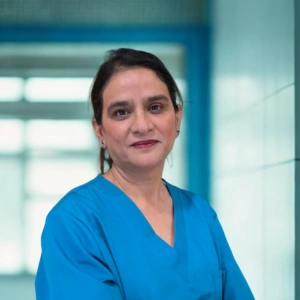
Dr. Huma
Dr. Huma Saeed is a medically trained professional with a passion for aesthetic medicine and patient care. After relocating to London, she continued working within the NHS while developing her clinical expertise. She later specialised in aesthetic treatments and established her own clinic, focusing on IV drips and PRP treatments, delivered with professionalism, safety, and personalised care.
Book your consultation today!
Fill out the form below and we’ll be in touch shortly.