
Anti-wrinkle treatment in Croydon, London
Personalised care for lines and wrinkles
Visit our Croydon aesthetic clinic to discuss forehead lines, frown lines, crow’s feet and other facial concerns. Your practitioner will assess your facial anatomy, medical history and individual goals before recommending suitable treatment options.
Understanding lines, wrinkles and treatment options
People commonly seek aesthetic treatment when expression lines such as forehead lines, frown lines or crow’s feet become more noticeable. Your practitioner can assess your concerns and discuss suitable treatment, skincare or other options based on your individual needs.
Depending on your assessment and suitability, prescription treatment may be one of the options discussed. Certain prescription treatments temporarily reduce activity in selected facial muscles, which can make dynamic lines caused by facial expressions appear less noticeable.
Common areas people seek treatment for include the forehead, the area between the eyebrows and lines around the outer corners of the eyes.
Prescription-only treatments require an appropriate consultation with a qualified healthcare professional before treatment can proceed. It is also important to understand who is prescribing and administering your treatment, along with their qualifications and experience.
Why do facial lines and wrinkles develop?
Facial lines develop for several reasons, and understanding what is contributing to them can help determine which treatment approach may be appropriate.
Repeated facial movement
Smiling, frowning, squinting and raising the eyebrows repeatedly move the facial muscles and can gradually make expression lines more noticeable.
Natural skin ageing
As skin changes with age, it can become less elastic and resilient. Lines that were once visible only during expression may become more noticeable at rest.
Changes in skin quality
Hydration, elasticity and overall skin condition can influence how visible fine lines and wrinkles appear.
Facial volume changes
Age-related changes in facial volume and structure can contribute to folds, shadows and lines that may require a different approach from expression-related concerns.
Lifestyle and environment
Sun exposure, smoking and other environmental or lifestyle factors can contribute to visible skin ageing over time.
Individual anatomy
Facial structure, muscle strength, skin thickness and natural expressions vary between people, which is why treatment should be personalised.
Dynamic lines and static lines: what is the difference?
Dynamic lines
Dynamic lines appear or become more noticeable when facial muscles move, such as when you smile, frown, squint or raise your eyebrows.
- Common examples include:
- Forehead lines during eyebrow movement
- Frown lines when bringing the eyebrows together
- Crow's feet when smiling or squinting
Static lines
Static lines remain visible when the face is relaxed. They may develop as repeated movement combines with changes in skin elasticity, volume and overall skin quality.
Some people have a combination of both types. This means the most appropriate treatment may involve considering muscle movement, skin quality and facial structure rather than treating every visible line in the same way.
What concerns can anti-wrinkle treatment address?
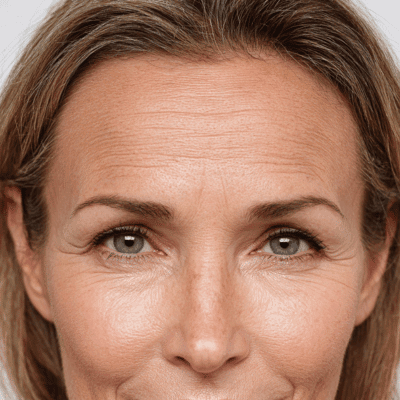
Forehead lines
Horizontal lines can become more noticeable over time as the forehead muscles repeatedly move during normal facial expressions.

Frown lines
Vertical lines between the eyebrows may develop through repeated frowning, squinting and everyday facial movement.
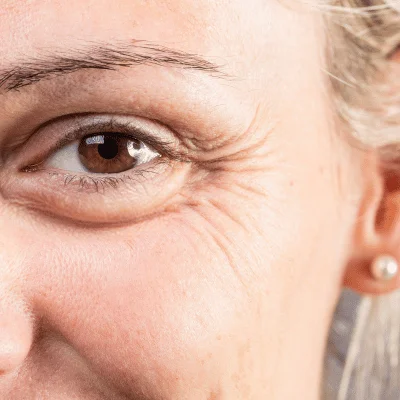
Crow's feet
Fine lines around the outer corners of the eyes often become more noticeable when smiling or making facial expressions.
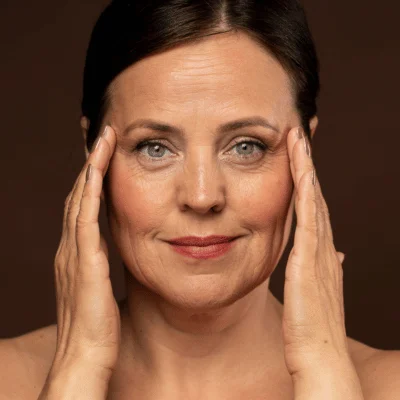
Expression lines
Dynamic facial lines can gradually become more visible as repeated muscle movement combines with natural skin ageing.
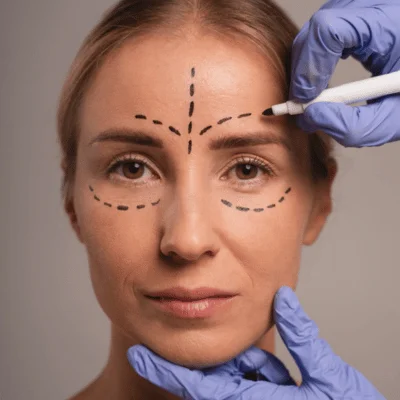
Facial balance
Careful assessment considers how different facial muscles work together rather than focusing on one line or area in isolation.

Personalization
Your practitioner can help you understand your concerns and whether treatment, skincare or another approach may be appropriate for you.
What happens during your treatment journey?
01. Assessment
02. Facial assessment
03. Treatment planning
04. Aftercare
What treatment options may be considered?
Anti-wrinkle concerns can have different underlying causes, so the same treatment is not automatically appropriate for every line or wrinkle.
Prescription treatment
Where clinically appropriate, a qualified healthcare professional may discuss prescription treatment for selected expression-related lines following an individual assessment.
Skin-quality treatments
If fine lines are associated with dehydration, texture or changes in skin quality, treatments such as skin boosters, Profhilo or other skin-focused options may be considered.
Dermal fillers
Where a concern relates more closely to loss of facial volume or deeper folds, dermal filler treatment may sometimes be more appropriate.
Skincare
A personalised skincare routine may support skin hydration, texture and protection from environmental factors.
No treatment
Treatment may not always be necessary or appropriate. Your practitioner can explain this and discuss alternative ways to manage your concerns.
How to prepare for your anti-wrinkle treatment
Appropriate preparation helps your practitioner understand your concerns and assess whether treatment may be suitable for you.
Before your appointment
- Think about which areas concern you most
- Consider the type of result you would like
- Make a note of previous aesthetic treatments
- Bring details of relevant medicines where appropriate
- Tell your practitioner about medical conditions or allergies
- Prepare any questions you would like to ask
It can also be helpful to explain what you do not want from treatment. For example, if maintaining natural facial expression is particularly important to you, this can be taken into account during treatment planning.
Where prescription treatment is being considered, an appropriate clinical consultation and prescription will still be required before treatment can proceed.
Results, recovery and aftercare
If treatment is recommended, your practitioner will explain what to expect afterwards, including the likely timeline, recovery and follow-up.
For commonly used botulinum toxin treatments, changes may begin to appear within several days, with the full effect often developing over approximately two weeks. Individual responses can vary.
Results are temporary and commonly last around three months. Duration can vary depending on the individual, treatment area and other clinical factors.
Downtime is generally limited for many injectable treatments. Temporary redness, swelling, tenderness or bruising may occur around injection sites and usually settles gradually.
Further treatment may be considered once the effects have reduced. The timing of any repeat appointment should be based on individual assessment rather than a fixed schedule.
You will receive personalised aftercare guidance following treatment. Follow the advice provided and contact the clinic if you experience any symptoms or side effects that concern you.
Could anti-wrinkle treatment be suitable for you?
You may want treatment if you:
- Are concerned about forehead or expression lines
- Have noticed frown lines becoming more visible
- Want advice about lines around the eyes
- Prefer a subtle, natural-looking approach
- Want to understand your non-surgical options
Treatment may not be suitable if you:
- Are pregnant or currently breastfeeding
- Have certain medical or neuromuscular conditions
- Take medicines that may affect treatment suitability
- Have allergies relevant to the proposed treatment
- Have a medical history that requires further assessment
Your practitioner will review your medical history, discuss potential risks and explain whether treatment is appropriate before any prescription treatment is considered.
Suitability is always assessed individually before treatment.
A personalised approach to anti-wrinkle treatment
Two people with similar-looking facial lines may not need the same treatment approach.
Your practitioner considers how your face moves, where lines appear at rest, your skin quality, facial proportions and what you hope to achieve before recommending suitable treatment options.
Facial movement
How muscles around the forehead, eyebrows and eyes move during normal expression.
Line depth
Whether the concern appears mainly during movement or remains visible when the face is relaxed.
Skin condition
Hydration, texture, elasticity and other skin-quality factors that may contribute to the appearance of lines.
Facial balance
How treating one area could influence the appearance and movement of surrounding facial features.
Previous treatments
Any previous injectable or aesthetic treatments and how you responded to them.
Your goals
Whether you are looking for a subtle change, skin-quality improvement or another personalised treatment outcome.

Why choose us for anti-wrinkle treatments?
Personalised, safety-focused care with treatment recommendations tailored to your facial anatomy, concerns and individual goals.
- Personalised Treatment Planning
- Natural-Looking Approach
- Detailed Facial Assessment
- Safety-Focused Care
- Balanced Treatment Recommendations
- Aftercare & Follow-Up Support
Anti-wrinkle treatment at our Croydon clinic
Wellbeing Aesthetic provides personalised aesthetic treatments from its clinic in Croydon, South London.
Your treatment journey begins with an assessment of your facial anatomy, muscle movement, medical history and individual goals. This allows recommendations to be made according to your needs rather than using the same treatment approach for every patient.
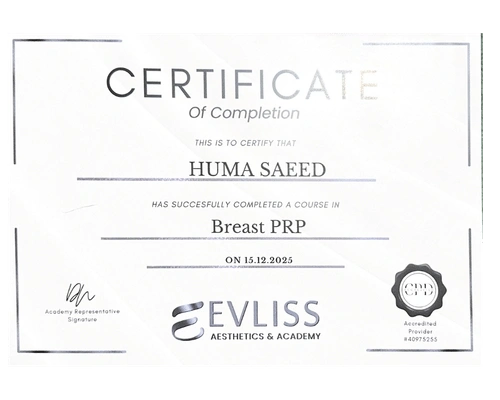
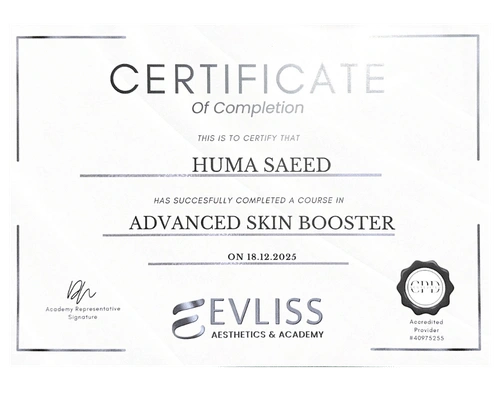
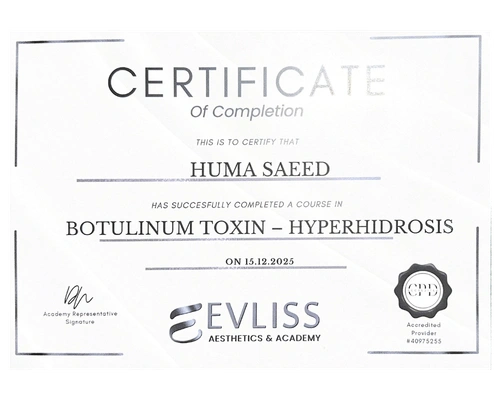
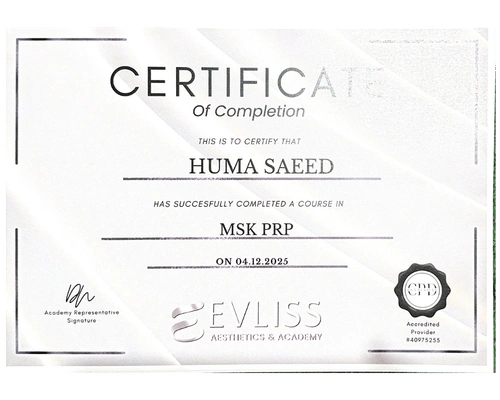
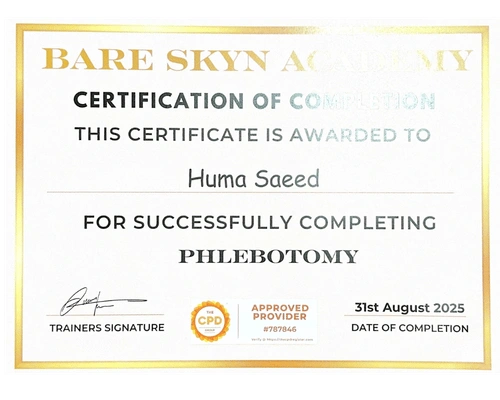
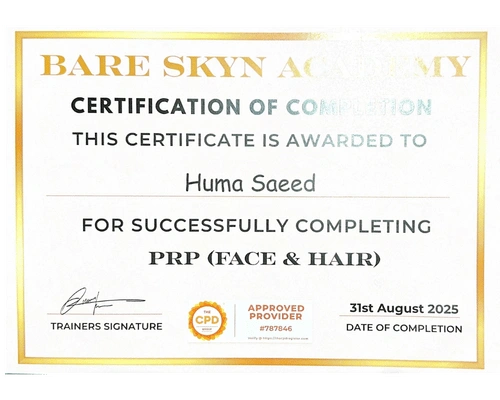
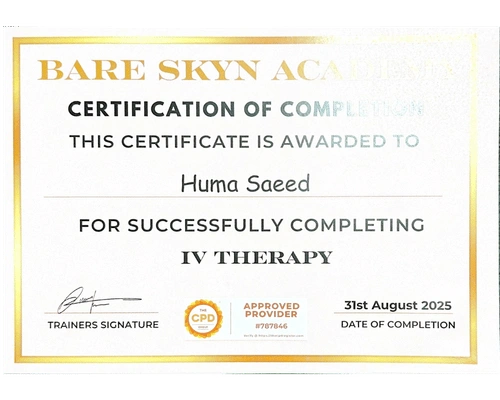
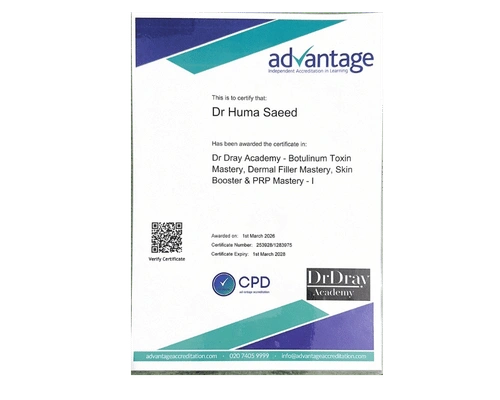
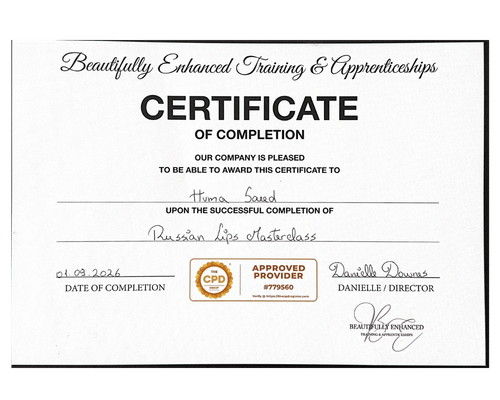
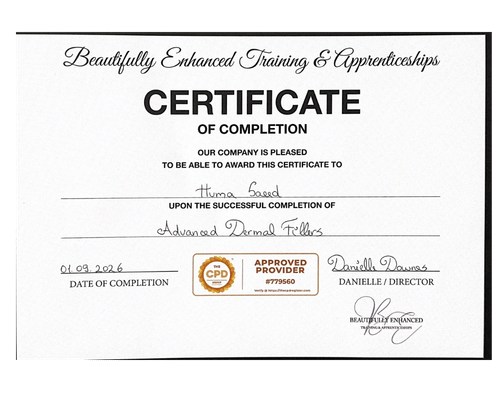
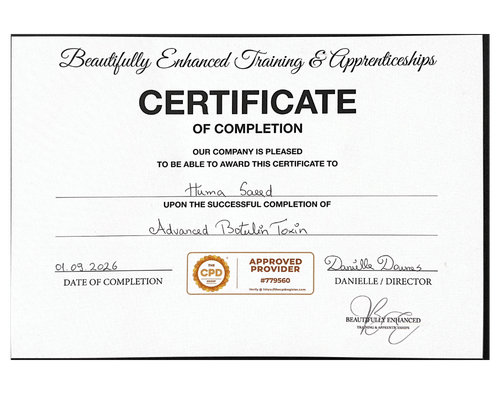
Our Certification






Frequently Asked Questions
How are lines and wrinkles treated?
Different approaches may be considered depending on the type of lines, your facial anatomy and your individual goals. Certain prescription treatments temporarily reduce activity in selected facial muscles, which may make expression-related lines appear less noticeable. Your practitioner will advise what may be appropriate following assessment.
Which facial areas can be treated?
Common concerns include forehead lines, frown lines between the eyebrows and crow’s feet around the eyes. Your practitioner will assess your facial anatomy and movement before recommending suitable treatment options.
How quickly can I see results?
If botulinum toxin treatment is considered appropriate, changes may begin becoming noticeable after several days and can continue developing over approximately two weeks. Individual results and timelines can vary.
How long can the effects of treatment last?
For commonly used botulinum toxin treatments, effects are temporary and often last around three months. Duration varies according to the individual, treatment area and other clinical factors.
Is there any downtime after treatment?
Downtime is often limited, although temporary redness, tenderness, swelling or bruising may occur around injection sites. Your practitioner will explain what to expect and provide personalised aftercare guidance.
Are anti-wrinkle treatments suitable for everyone?
No. Your medical history, current medicines, pregnancy or breastfeeding status and other health factors can affect suitability. An individual assessment is required before prescription treatment can be considered.
Can treatment be planned for a natural-looking result?
Treatment planning can take your facial anatomy, expression and muscle movement into account. You can discuss the type of result you would like and what may realistically be achievable.
Do I need an assessment before prescription treatment?
Yes. Prescription-only treatments require an appropriate consultation and prescription from a qualified healthcare professional before treatment. Your medical history, suitability, concerns and treatment goals will be reviewed before any prescription is considered.