
Hydrafacial treatment in Croydon, London
Personalised treatment for clearer, hydrated skin
Book a consultation at our Croydon aesthetic clinic to discuss dehydration, congestion, uneven texture, dullness and other skin concerns. Your Hydrafacial treatment will be tailored to your skin type, sensitivity, current condition and individual goals.
What is a Hydrafacial treatment?
Hydrafacial is a non-invasive, multi-step facial treatment that combines cleansing, exfoliation, extraction and hydration in one session. It uses Vortex-Fusion technology with specialised treatment tips and topical solutions to treat the skin.
During treatment, the device removes surface debris and dead skin cells while controlled suction helps clear impurities from congested pores. Hydrating solutions are then delivered through the same system to support smoother, fresher-looking skin.
Hydrafacial can be personalised according to your skin type, sensitivity and concerns. Depending on the chosen protocol, boosters, LED light therapy or additional treatment steps may also be included where appropriate.
Small published studies of hydradermabrasion have reported improvements in the appearance of fine lines, pores and overall skin quality. However, the available evidence remains limited, and results can vary according to the treatment protocol and individual skin response.
Key benefits of Hydrafacial treatment
Deep cleansing
The treatment helps remove surface impurities, excess oil and accumulated debris to leave the skin feeling cleaner and refreshed.
Gentle exfoliation
Specialised treatment tips help remove dead surface skin cells and prepare the skin for the extraction and hydration stages that follow.
Controlled extraction
Vortex suction helps remove loosened oil and debris from congested pores without relying solely on traditional manual extraction.
Skin hydration
Hydrating solutions are delivered across the skin during treatment to support a smoother, softer and more hydrated-looking complexion.
Personalised treatment
Treatment settings, tips, solutions and selected enhancements can be adapted according to your skin type, sensitivity and individual goals.
Minimal interruption
As a non-invasive facial treatment, Hydrafacial generally involves limited downtime, although temporary redness or sensitivity can occur.
How does Hydrafacial technology work?
Hydrafacial uses Vortex-Fusion technology to combine exfoliation, controlled suction and topical solution delivery during a structured facial treatment.
Specialised treatment tips interact with the skin while the device removes surface debris and distributes selected solutions according to the treatment stage.
Cleanse
The first stage helps remove surface oil, skincare residue and everyday impurities from the skin.
01
Exfoliate
Specialised tips loosen and lift dead surface skin cells to support a smoother-looking skin surface.
02
Extract
Controlled suction helps draw loosened oil, debris and impurities from congested pores.
03
Hydrate
Selected hydrating solutions are delivered through the treatment system to support moisture and leave the skin feeling refreshed.
04
What concerns can Hydrafacial treatment address?
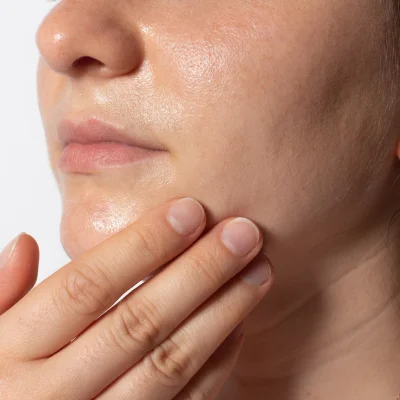
Dehydrated skin
Hydrafacial combines exfoliation with hydrating solutions to help dry or dehydrated-looking skin appear fresher, smoother and more comfortable.

Dull complexion
Removal of surface debris and dead skin cells can help improve the appearance of skin that looks tired, rough or lacking in radiance.

Congested pores
The extraction stage uses controlled suction to help lift excess oil, debris and impurities from congested pores without traditional manual extraction.

Uneven texture
Gentle resurfacing may help skin feel smoother where roughness, surface build-up or uneven texture is an ongoing concern.
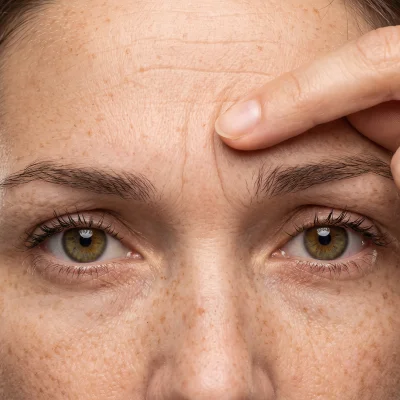
Fine lines
Improved hydration and exfoliation may temporarily soften the visible appearance of fine superficial lines and dry-looking skin.
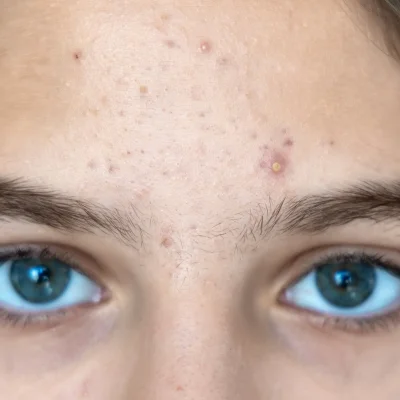
Acne-prone skin
Selected Hydrafacial protocols may be considered for oily, congested or blemish-prone skin following an appropriate skin assessment.
What happens during your consultation and treatment?
01. Consultation
We start by discussing your skin concerns, current skincare, sensitivities and treatment goals. Your practitioner will explain whether Hydrafacial may be suitable.
02. Skin assessment
Your skin type, hydration, congestion, sensitivity and areas of concern are assessed so that the treatment can be adapted to your individual needs.
03. Hydrafacial
Your treatment includes cleansing, exfoliation, extraction and hydration using the Hydrafacial device. Steps and products depend on your skin and chosen protocol.
04. Aftercare
You will receive personalised skincare and aftercare guidance to help protect your skin and maintain the benefits of your treatment afterwards.
Hydrafacial vs a traditional facial
Both treatments can form part of a skincare routine, but the treatment process and technology involved are different.
| Feature | Hydrafacial | Traditional Facial |
|---|---|---|
| Cleansing | Device-assisted cleansing | Usually performed manually |
| Exfoliation | Controlled treatment tips and solutions | Scrubs, enzymes or topical exfoliation |
| Extraction | Controlled Vortex suction | Often manual where required |
| Hydration | Solutions delivered through the device | Masks, creams or topical serums |
| Personalisation | Tips, solutions and selected boosters can vary | Products and techniques can vary |
| Downtime | Generally minimal | Depends on the facial performed |
How to prepare for your Hydrafacial
Your practitioner will provide advice based on your skin condition and current skincare routine. Appropriate preparation can help minimise unnecessary irritation and allow your skin to be assessed accurately.
Before your appointment
- Tell your practitioner about active skin conditions or irritation
- Discuss any recent facial or aesthetic treatments
- Mention known skincare or ingredient allergies
- Share the prescription and active skincare products you currently use
- Avoid introducing strong new skincare products immediately before treatment
- Attend with clean skin where practical
If you use retinoids, exfoliating acids or other active skincare products, ask your practitioner whether any temporary adjustments are appropriate.
Do not stop prescribed medication or prescribed skincare without advice from the healthcare professional responsible for your treatment.
Results, recovery and aftercare
If Hydrafacial is suitable for you, your practitioner will explain what you may notice afterwards, how your skin may recover and whether follow-up treatments may be appropriate.
Skin may appear smoother, fresher and more hydrated soon after treatment. Some people notice a visible change after their first session, although results vary according to your starting skin condition, treatment protocol and individual response.
Hydrafacial results are temporary. How long improvements in smoothness, hydration and radiance remain noticeable varies according to your skin, home skincare, lifestyle and treatment plan.
Most people can return to their normal daily activities soon after treatment. Temporary redness, tightness or sensitivity may occur depending on your skin, the level of exfoliation and the products used.
Some people choose regular Hydrafacial treatments as part of an ongoing skincare plan. The most appropriate frequency depends on your skin condition, goals, home skincare and response to previous treatments.
Your practitioner will provide personalised skincare advice following treatment. You may be advised to keep your routine gentle and protect your skin from sun exposure while it settles.
Is Hydrafacial treatment right for you?
You may want a consultation if you:
- Have skin that feels dry or dehydrated
- Are concerned about congestion or clogged pores
- Have noticed dull or uneven-looking skin
- Want to improve surface texture and smoothness
- Prefer a non-invasive facial treatment approach
Treatment may not be suitable if you:
- Have an active skin infection or open wounds
- Have significant irritation in the treatment area
- Have allergies to ingredients being considered
- Have recently had a procedure and your skin has not healed
- Have a skin condition requiring further assessment
Your practitioner will review your skin condition, sensitivities, current skincare and any relevant treatment history before recommending an appropriate protocol.
Suitability is always assessed individually during consultation.
Hydrafacial for different skin types and goals
Hydrafacial can be personalised, but the same treatment settings and products should not automatically be used for every person.
Dry or dehydrated skin
Treatment can place greater emphasis on gentle exfoliation and hydration where dryness or lack of moisture is the main concern.
Oily or congested skin
The cleansing and extraction stages may be tailored towards areas where excess oil, congestion or clogged pores are more noticeable.
Sensitive skin
Treatment intensity, exfoliation and solutions should be selected carefully according to your sensitivity and current skin condition.
Dull or uneven-looking skin
Exfoliation and hydration can form part of a treatment plan focused on rough, tired or lacklustre-looking skin.
Mature skin
Treatment may focus on hydration, texture and the visible appearance of fine superficial lines rather than facial volume.
Maintenance skincare
Some people consider Hydrafacial as part of an ongoing skincare routine rather than treatment for one specific concern.

Why choose us for Hydrafacial treatments?
Personalised, skin-focused Hydrafacial treatment planned around your skin condition, sensitivity, concerns and individual goals.
- Personalised Treatment Planning
- Detailed Skin Assessment
- Treatment Tailored to Your Skin
- Safety-Focused Care
- Skincare-Focused Recommendations
- Aftercare & Skincare Support
Hydrafacial treatment at our Croydon clinic
Wellbeing Aesthetic provides personalised aesthetic and skin treatments from its clinic in Croydon, South London.
Your Hydrafacial treatment starts with an assessment of your skin rather than using the same treatment protocol for every patient. Your skin condition, sensitivity, concerns, current skincare and treatment goals are considered before the most appropriate approach is recommended.
The wider treatment journey at Wellbeing Aesthetic focuses on consultation, personalised care, safety and appropriate aftercare support.
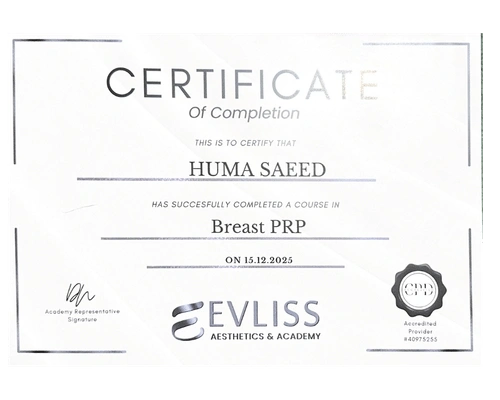
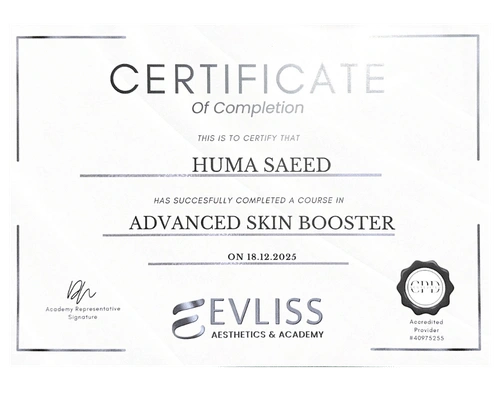
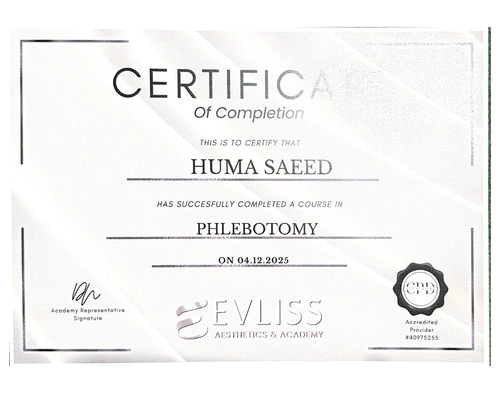
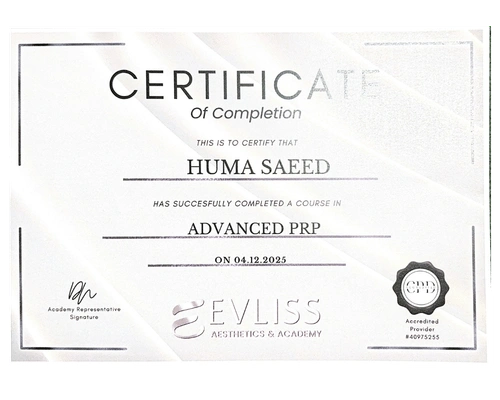
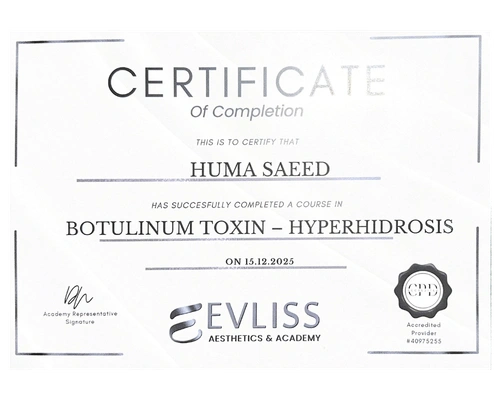
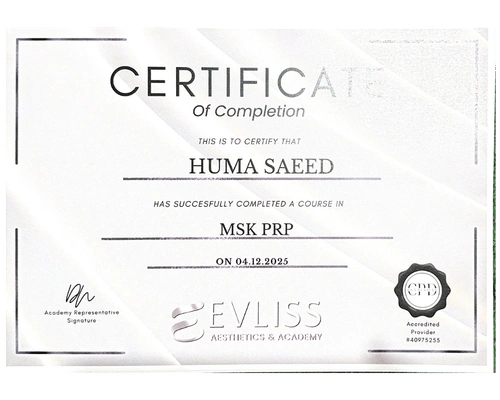
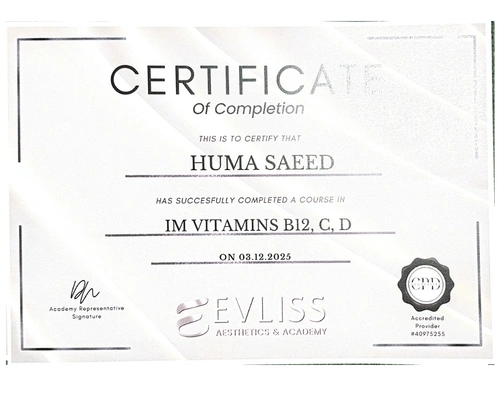
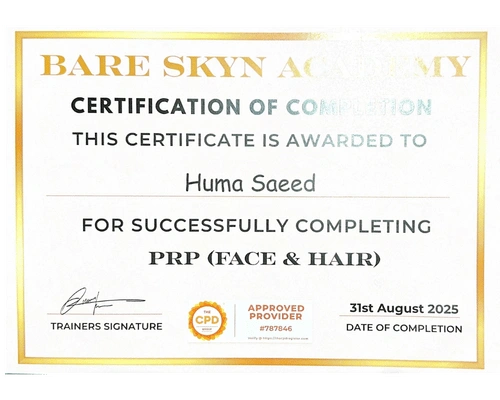
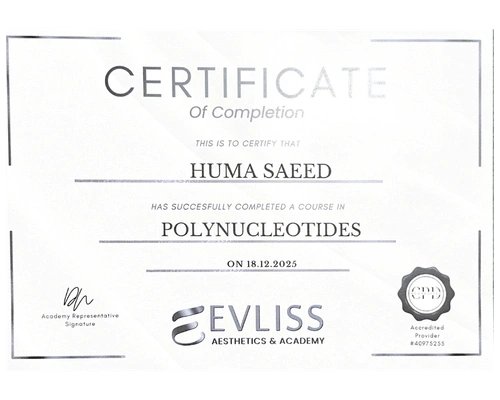
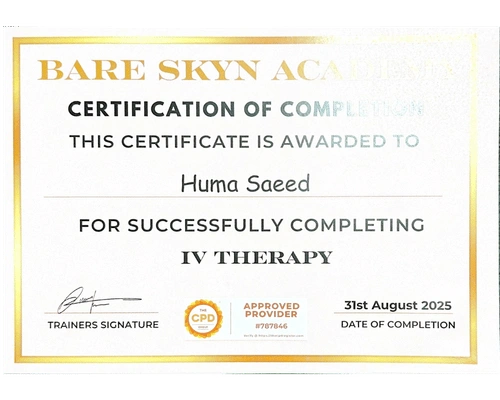
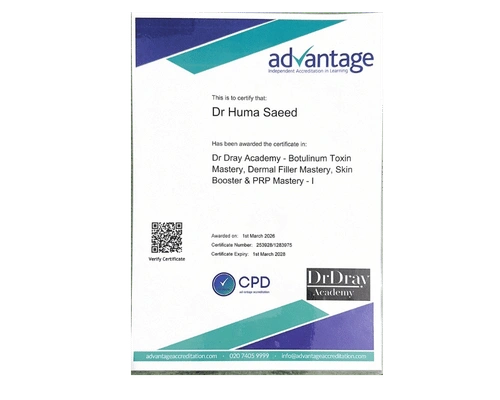
Our Certification






Want clearer, smoother and more hydrated-looking skin?
Book a personalised consultation at Wellbeing Aesthetic in Croydon to discuss your skin concerns, explore a tailored Hydrafacial treatment plan and find out whether it may be suitable for you.
Fill out the form below and we’ll be in touch shortly.
Frequently Asked Questions
What is a Hydrafacial?
Hydrafacial is a non-invasive, multi-step facial treatment that combines cleansing, exfoliation, extraction and hydration using patented Vortex-Fusion technology.
How does Hydrafacial work?
The Hydrafacial device uses specialised tips, controlled suction and topical solutions to remove surface debris, exfoliate the skin, clear impurities and apply hydrating serums during the same treatment session.
What skin concerns can Hydrafacial help with?
Hydrafacial may be considered for concerns including dryness, dullness, congestion, clogged pores, uneven texture and the appearance of fine superficial lines. The treatment should be adapted to your individual skin needs.
Can Hydrafacial help with clogged pores?
The extraction stage uses controlled suction to help remove excess oil and debris from congested pores. Your practitioner will assess whether Hydrafacial is appropriate if congestion or blemishes are a significant concern.
How quickly can I see Hydrafacial results?
Some people notice that their skin looks smoother, brighter and more hydrated shortly after treatment. Results vary according to your starting skin condition, treatment protocol and individual response.
Is there any downtime after Hydrafacial?
How often should I have a Hydrafacial?
Is Hydrafacial suitable for every skin type?
Hydrafacial is designed to be adaptable across a range of skin types, but this does not mean every treatment protocol is suitable for everyone. Skin sensitivity, active conditions, allergies and recent treatments should be assessed before treatment.