
Skin boosters in Croydon, London
Personalised skin booster treatment for hydration and skin quality
Book a consultation at our Croydon aesthetic clinic to discuss dehydrated, dull or tired-looking skin, fine lines and texture concerns. Every treatment plan is tailored to your skin concerns, medical history and individual goals.
Understanding skin booster treatment
Skin boosters are injectable treatments designed to improve skin hydration and overall skin quality rather than add significant volume or change facial shape. Many commonly used skin boosters contain hyaluronic acid, a substance naturally present in the skin with water-binding properties that support hydration.
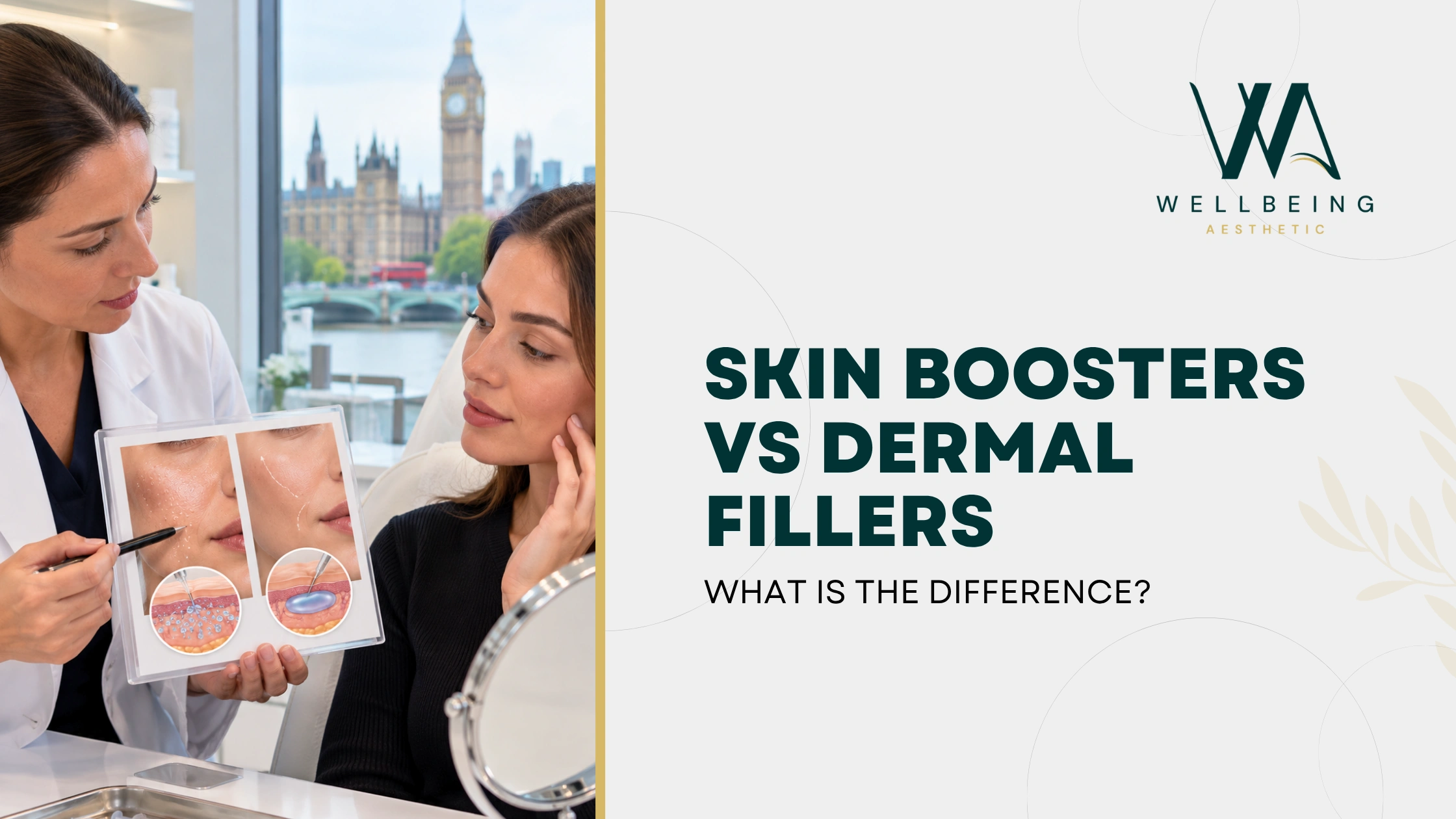
Unlike traditional dermal fillers, skin boosters are generally placed across a treatment area using multiple small injections. The aim is to support hydration and improve the appearance of skin texture, fine lines and overall radiance rather than reshape a particular facial feature.
Common treatment areas include the face, neck, décolletage and hands, depending on the product used and your individual skin concerns.
The right product, treatment area and number of sessions can vary considerably. A consultation allows your practitioner to assess your skin, discuss realistic outcomes and determine whether a skin booster or another treatment may be more appropriate for your concerns.
Published reviews suggest that injectable hyaluronic acid treatments can improve measures such as hydration, elasticity, texture and overall skin quality, although results and treatment protocols vary between products and studies.
Key benefits of skin booster treatment
Skin boosters are primarily focused on improving the condition and appearance of the skin rather than creating significant changes to facial shape or volume.
Improved hydration
Hyaluronic acid-based skin boosters can help attract and retain water within the skin, supporting improved hydration and a more supple appearance.
Smoother-looking texture
Treatment may help improve the appearance of rough or uneven skin texture as hydration and skin quality gradually improve.
Softer fine lines
Fine superficial lines associated with dehydration or changes in skin quality may become less noticeable following an appropriate treatment course.
Improved elasticity
Some studies of injectable hyaluronic acid skin boosters have reported improvements in measures of skin firmness and elasticity.
Fresher-looking skin
Improved hydration and texture may help dull or tired-looking skin appear smoother and more refreshed over time.
Skin-focused approach
Skin boosters can be considered when the aim is to improve skin quality without creating the targeted volume or contour associated with traditional dermal fillers.
How do skin boosters work?
Skin boosters are generally administered through multiple small injections placed across the chosen treatment area. The formulation and injection technique depend on the product being used and your individual skin concerns.
Hyaluronic acid
Many skin boosters contain hyaluronic acid, which has water-binding properties and plays an important role in skin hydration.
01
Intradermal treatment
Rather than placing a larger amount of product in one area to change facial contour, skin booster treatment is usually distributed across the skin in small amounts.
02
Hydration support
The aim is to increase hydration within the treated skin and support improvements in texture, smoothness and overall skin quality.
03
Gradual improvement
Skin boosters are not designed to create an immediate filler-like change. Improvements generally become more noticeable during the weeks following treatment.
04
What concerns can skin boosters address?
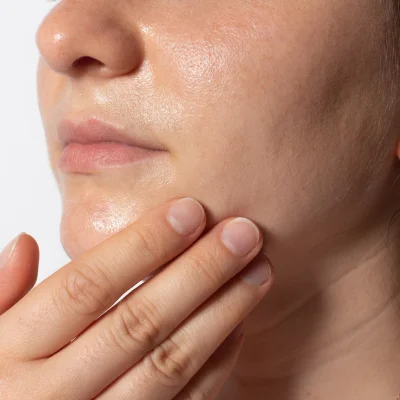
Dehydrated skin
Skin boosters may help support hydration in skin that feels dry, tight or lacking in moisture despite regular skincare.

Dull complexion
Improved hydration may help tired-looking skin appear fresher, smoother and more radiant over time.
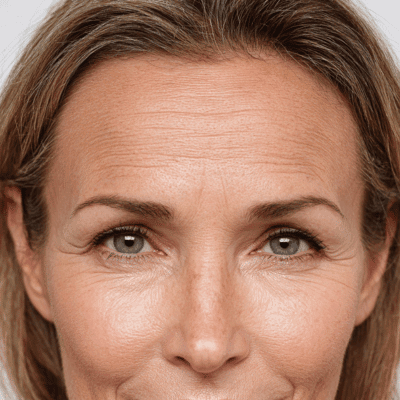
Fine lines
Skin boosters may help soften the appearance of fine superficial lines associated with dehydration and changes in skin quality.

Uneven texture
Treatment can be considered for skin that feels rough or uneven where improving overall texture is the main goal.
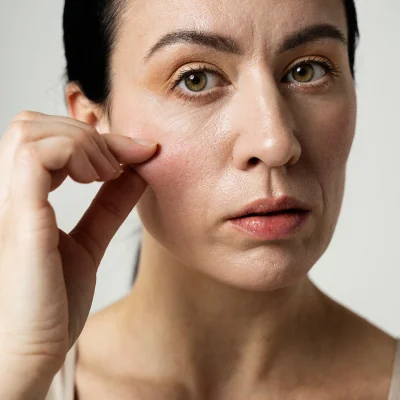
Loss of elasticity
Some skin booster treatments may help improve the appearance of skin that has begun to feel less firm or supple.
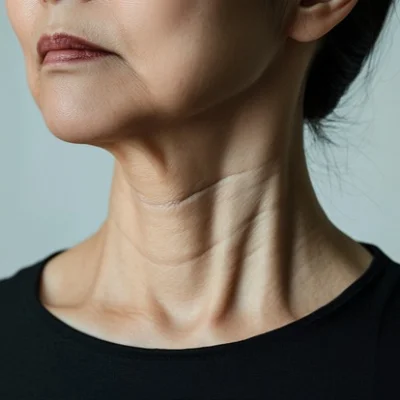
Neck and hand concerns
Depending on the product used, skin boosters may also be considered for visible skin-quality changes affecting the neck or hands.
What happens during your consultation and treatment?
01. Consultation
We start by discussing your skin concerns, what you would like to improve and your relevant medical history. Your practitioner will explain whether skin boosters may be suitable.
02. Skin assessment
Your skin hydration, texture, condition and treatment areas are assessed carefully so that any recommendation can be tailored to your individual needs.
03. Treatment planning
If treatment is appropriate, your practitioner will explain the product, treatment areas, expected outcomes, possible side effects and recommended treatment plan before you decide whether to proceed.
04. Aftercare
You will receive personalised aftercare advice and information about what to expect as any temporary redness, swelling or small injection-site bumps settle.
Skin boosters vs dermal fillers
Skin boosters and dermal fillers may both contain hyaluronic acid, but they are generally used for different treatment goals.
| Skin boosters | Dermal fillers | |
|---|---|---|
| Main purpose | Hydration and skin quality | Volume and facial contour |
| Facial shaping | Not the primary goal | Often used for selected features |
| Hydration | Key treatment focus | Varies depending on the product |
| Placement | Distributed across the skin | Targeted areas |
| Volume change | Usually minimal | May be more noticeable |
| Treatment planning | Based mainly on skin concerns | Based largely on facial anatomy |
How to prepare for skin booster treatment
Your practitioner will provide personalised preparation advice based on the product being used, your medical history and the treatment area.
Before your appointment
- Tell your practitioner about previous injectable treatments
- Discuss relevant medical conditions and allergies
- Provide details of prescription medicines and supplements
- Mention any active skin irritation or infection
- Tell your practitioner about recent aesthetic procedures
- Ask which skin booster product will be used and why
Do not stop prescribed medicines unless advised by the healthcare professional responsible for your care.
You should also understand the expected benefits, possible side effects, treatment course and aftercare arrangements before deciding whether to proceed.
Results, recovery and aftercare
If skin booster treatment is recommended, your practitioner will explain what to expect afterwards, including the likely results timeline, recovery and follow-up.
Some people notice improvements in skin hydration within the first one to two weeks, while changes in overall texture and skin quality may continue developing over several weeks. Results vary according to the product, treatment area and individual response.
Results from skin boosters are temporary. Wellbeing Aesthetic's current treatment guidance indicates that results from a completed course may last around four to six months, although this varies depending on the product used, skin condition and individual factors.
Downtime is usually limited. Temporary redness, tenderness, swelling, bruising or small raised areas at injection points can occur and generally settle as the skin recovers.
Some skin booster protocols involve a short initial course followed by maintenance treatment. The number and timing of sessions depend on the specific product, your skin concerns and how you respond.
Your practitioner will provide treatment-specific aftercare instructions, including guidance on skincare and activities to avoid immediately afterwards. Contact the clinic if you experience symptoms that concern you.
Are skin boosters suitable for you?
You may want a consultation if you:
- Have skin that feels dry or dehydrated
- Have noticed your complexion looking dull or tired
- Are concerned about fine superficial lines
- Want to improve overall skin texture and quality
- Prefer hydration without significant facial volume
Treatment may not be suitable if you:
- Are pregnant or currently breastfeeding
- Have infection or inflammation in the treatment area
- Have allergies relevant to the proposed product
- Take medicines that may affect treatment suitability
- Have a medical history requiring further assessment
Your practitioner will review your medical history, current medications, skin condition and proposed treatment to determine whether skin boosters are suitable for you, with suitability assessed individually during consultation.
Where can skin boosters be used?
Skin boosters can be considered for different areas where hydration, texture and overall skin quality are the main concerns. The areas suitable for treatment depend on the specific product and your individual needs.
Face
Facial treatment may focus on dehydration, fine superficial lines, uneven texture or an overall decline in skin quality.
Neck
Skin boosters may be considered for concerns involving dryness, fine lines and changes in texture across the neck.
Décolletage
The upper chest can develop visible changes in hydration and texture, particularly in skin exposed regularly to environmental factors.
Hands
Skin-quality treatments may be considered where the backs of the hands appear dry, thin or affected by visible changes over time.
Selected treatment areas
Some products may be suitable for other areas depending on their formulation and intended use. Your practitioner will explain which areas can appropriately be treated with the specific product available.

Why choose Wellbeing Aesthetic for skin boosters?
Personalised, safety-focused skin booster care planned around your skin quality, concerns and individual goals.
- Personalised Treatment Planning
- Detailed Skin Assessment
- Skin Quality-Focused Approach
- Safety-Focused Care
- Hydration-Focused Treatment
- Aftercare & Follow-Up Support
Skin booster treatment at our Croydon clinic
Wellbeing Aesthetic provides personalised aesthetic and skin treatments from its clinic in Croydon, South London.
The clinic’s wider approach is consultation-led, with treatment recommendations based on your skin, health and individual goals rather than a one-size-fits-all treatment plan.
Your skin booster treatment begins with an assessment of your skin condition, hydration, texture, medical history and treatment goals. This helps determine whether a skin booster is appropriate and which treatment approach may best suit your concerns.
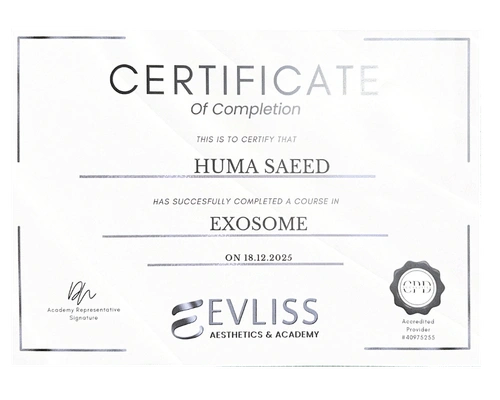
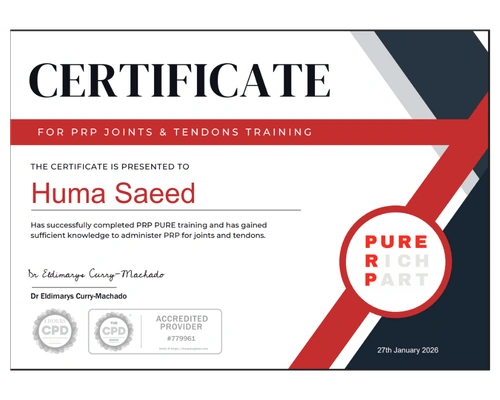
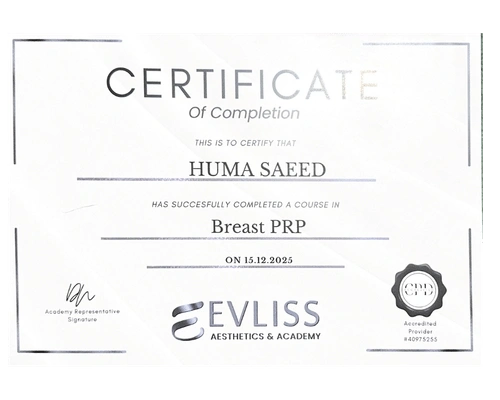
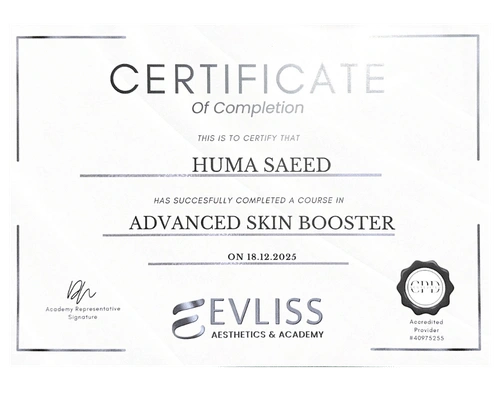
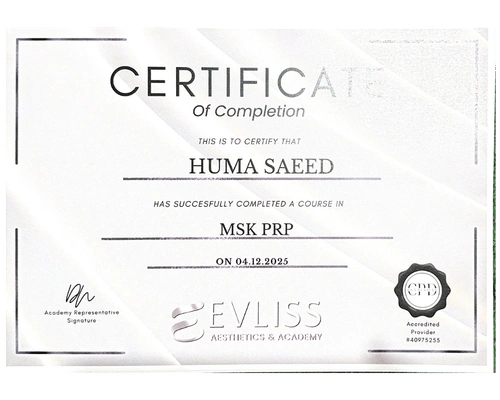
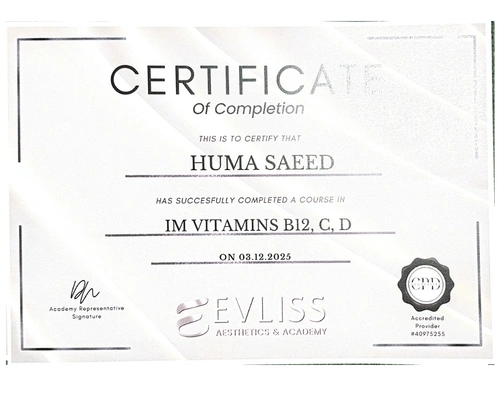
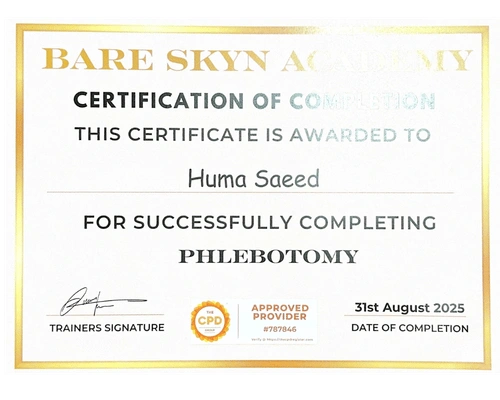
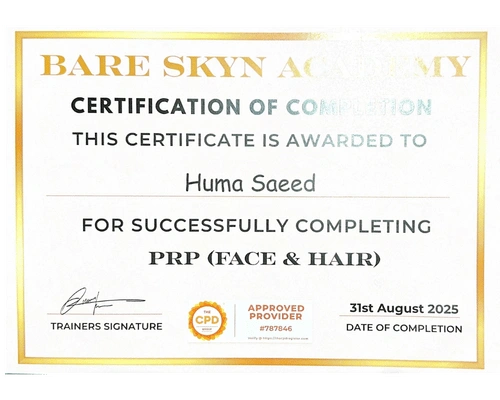
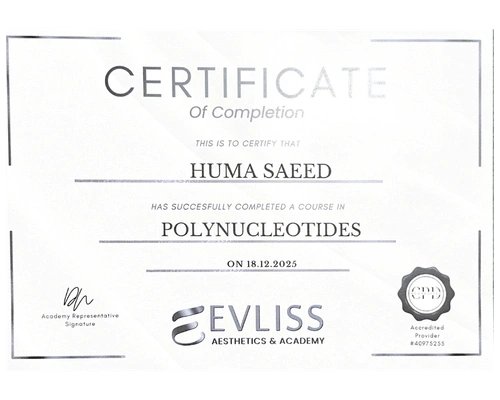
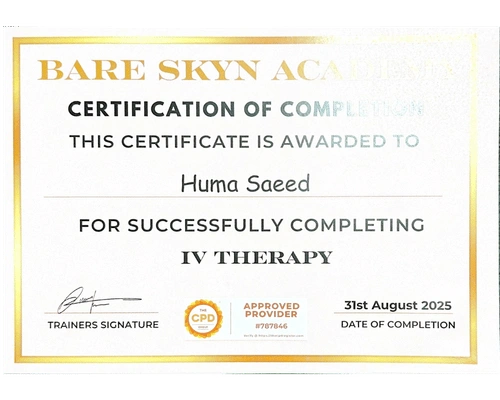
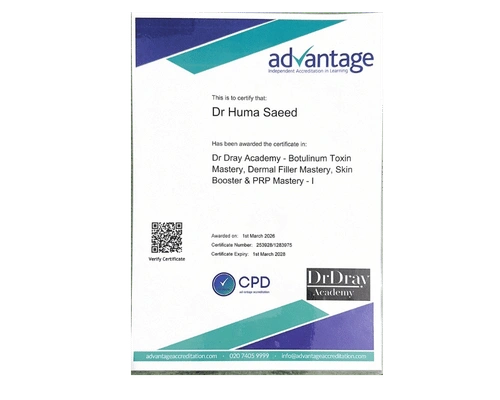
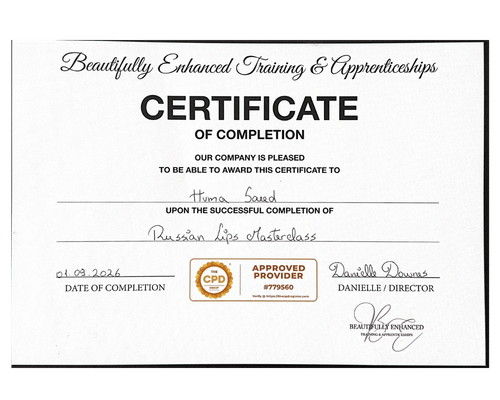
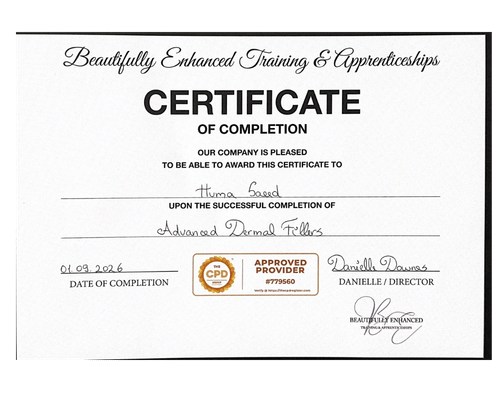
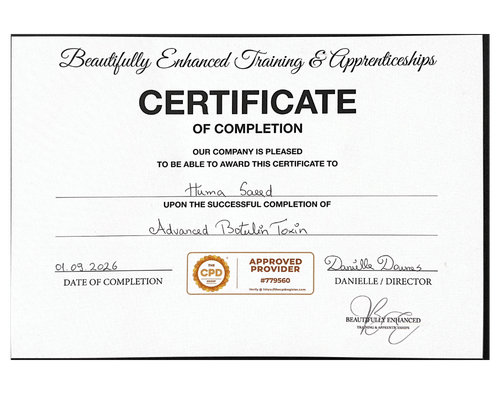
Our Certification
Frequently Asked Questions
What are skin boosters?
Skin boosters are injectable treatments used primarily to support skin hydration and improve overall skin quality. Many contain hyaluronic acid and are placed across an area of skin rather than being used to create significant facial volume or shape.
Are skin boosters the same as dermal fillers?
No. Although both may contain hyaluronic acid, they are generally used for different goals. Dermal fillers are typically used to restore volume or enhance facial contours, while skin boosters focus primarily on hydration and skin quality. Wellbeing Aesthetic
Which areas can be treated with skin boosters?
Depending on the product and your individual concerns, skin boosters may be used on areas such as the face, neck, décolletage and hands. Your practitioner will recommend appropriate treatment areas following a skin assessment.
How quickly can I see skin booster results?
Some people notice increased hydration within one to two weeks, while improvements in texture and overall skin quality may become more noticeable over the following weeks. Individual results and timelines vary. Wellbeing Aesthetic
How long do skin booster results last?
Results are temporary and vary by product and individual. Wellbeing Aesthetic’s existing guidance indicates that results from a completed course may commonly last around four to six months before maintenance may be considered. Wellbeing Aesthetic
How many skin booster sessions will I need?
The recommended number of sessions depends on the product being used, your starting skin condition and your treatment goals. Some protocols involve an initial course followed by periodic maintenance appointments.
Is there any downtime after skin boosters?
Downtime is generally limited, although temporary redness, swelling, tenderness, bruising or small bumps at injection sites may occur. Your practitioner will explain what to expect and provide personalised aftercare guidance.
Are skin boosters suitable for everyone?
No. Pregnancy or breastfeeding, medical history, allergies, medicines and active skin conditions can affect suitability. Your practitioner will review these factors before recommending treatment.