
Dermal fillers in Croydon, London
Personalised dermal filler treatment for volume and facial balance
Book a consultation at our Croydon aesthetic clinic to discuss facial volume, contour, lines and feature enhancement. Every dermal filler treatment is planned around your facial anatomy, proportions, concerns and individual goals.
Understanding dermal filler treatment
Dermal fillers are injectable treatments used to temporarily add volume, enhance facial contours and reduce the appearance of selected lines and folds. Many commonly used fillers contain hyaluronic acid, a substance that attracts water and helps create volume beneath the skin.
Treatment can be tailored to different facial areas depending on your anatomy and goals. Common areas include the lips, cheeks, chin, jawline and lines around the mouth. At Wellbeing Aesthetic in Croydon, dermal filler treatment can be planned for areas such as the lips, cheeks, chin and jawline, depending on your anatomy and goals.
The type and amount of filler required varies from person to person. A consultation allows your practitioner to assess your facial proportions, discuss realistic outcomes and explain the product and treatment approach being considered.
How do dermal fillers work?
Adding volume
Filler can be placed in areas where additional volume may help restore or enhance facial contours.
Supporting facial shape
Strategic placement may help improve definition in areas such as the cheeks, chin or jawline.
Enhancing selected features
Treatment can be used to adjust the shape, definition or proportion of features such as the lips.
Softening selected folds
Depending on the cause and depth of the concern, filler may temporarily reduce the appearance of certain facial lines and folds.
Temporary effects
Hyaluronic acid fillers gradually break down over time, so results are not permanent.
Improving facial balance
Filler may help create a more balanced appearance by enhancing facial proportions and contours.
Why does facial volume change over time?
Facial appearance changes naturally over time. These changes do not affect everyone in the same way, which is why dermal filler treatment should be based on individual anatomy rather than a standard amount of product.
Changes in facial fat
Ageing can affect facial fat distribution, changing fullness and contour in areas such as the cheeks.
01
Structural changes
Changes to underlying facial structures can influence facial support, definition and proportions.
02
Skin changes
Changes in elasticity, hydration and thickness can make folds and facial contours more noticeable.
03
Individual factors
Bone structure, natural asymmetry, weight changes and sun exposure can influence facial appearance over time.
04
What concerns can dermal fillers address?

Facial volume loss
Changes in facial volume can make areas such as the cheeks appear flatter or less defined over time.
Lip shape and volume
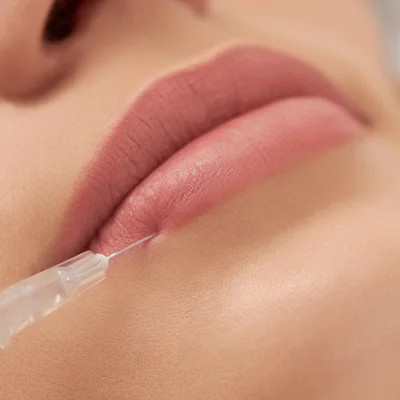
Dermal fillers may be used to enhance lip shape, definition, symmetry or volume according to individual facial proportions.

Cheek definition
Carefully placed filler can add volume to the cheek area and help create more balanced facial contours.
Chin definition
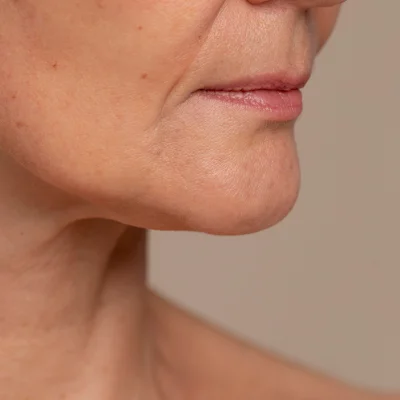
Filler may be considered to enhance chin shape or projection where additional definition could improve overall facial balance.

Jawline contour
Dermal filler can be used in selected areas of the jawline to create greater definition and improve facial proportions.

Lines around the mouth
Fillers may help temporarily soften selected deeper lines and folds around the nose, mouth and lower face.
What happens during your consultation and treatment?
01. Consultation
We start by discussing the areas you would like to address, your expectations and relevant medical history. Your practitioner will explain whether dermal filler may be suitable.
02. Facial assessment
Your facial anatomy, proportions, existing volume and areas of concern are assessed carefully so treatment can be planned around your individual features.
03. Treatment planning
If dermal filler is appropriate, your practitioner will explain the proposed treatment areas, product, expected outcome, potential risks and alternatives before you decide whether to proceed.
04. Aftercare
You will receive personalised aftercare guidance and information about what to expect as swelling or tenderness settles following your treatment.
Dermal fillers vs skin boosters
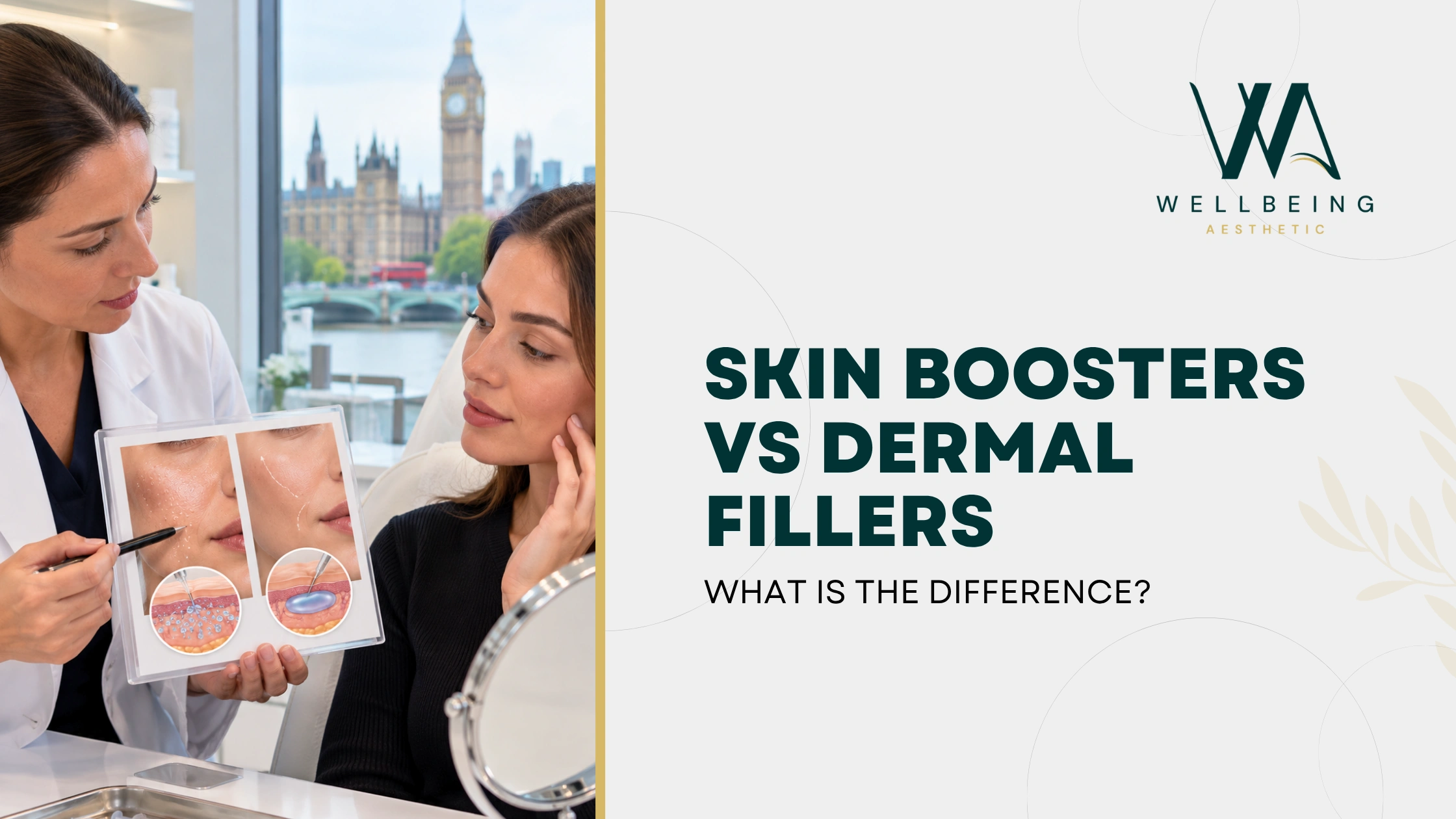
Dermal fillers and skin boosters can both contain hyaluronic acid, but they are generally used for different treatment goals.
| Dermal fillers | Skin boosters | |
|---|---|---|
| Primary goal | Volume and facial contour | Hydration and skin quality |
| Facial shaping | May enhance selected features | Not primarily intended for shaping |
| Volume restoration | Common treatment purpose | Usually minimal |
| Skin hydration | May vary by product | Key treatment focus |
| Placement | Targeted facial areas | Distributed across areas of skin |
| Treatment plan | Based on facial anatomy | Based mainly on skin condition |
How to prepare for dermal filler treatment
Your practitioner will provide personalised advice based on your medical history, treatment area and the filler being considered.
Before your appointment
- Tell your practitioner about previous dermal filler treatments
- Provide details of relevant medical conditions
- Discuss prescription medicines and supplements you take
- Mention previous allergies or reactions to injectable treatments
- Tell your practitioner about active infection or inflammation
- Ask which filler product will be used and why it has been selected
Do not stop prescribed medication unless advised to do so by the healthcare professional responsible for your care.
You should also understand the expected result, potential complications, aftercare arrangements and what support is available if something does not go as expected.
Results, recovery and aftercare
If dermal filler treatment is recommended, your practitioner will explain what to expect afterwards, including the likely results timeline, recovery and follow-up.
Changes in volume or contour may be visible soon after treatment. Temporary swelling can affect the initial appearance, so the final result is best assessed once the treated area has had time to settle.
Dermal filler results are temporary and may last approximately 9 to 18 months. Longevity can vary depending on the treatment area, product used and individual factors.
Many people return to normal activities soon after treatment. Temporary swelling, redness, tenderness or bruising around the injection area can occur and usually settles gradually.
Some people choose further treatment as the effects gradually reduce. The timing of any maintenance appointment should be based on individual assessment rather than a fixed schedule.
Your practitioner will explain how to care for the treated area and what to avoid following treatment. Contact the clinic promptly if you experience any symptoms that concern you.
Are dermal fillers suitable for you?
A consultation can help determine whether dermal fillers are appropriate for your facial concerns, desired outcome, medical history and individual anatomy.
You may want a consultation if you:
- Have noticed changes in facial volume
- Want more definition in selected facial features
- Are concerned about deeper facial lines or folds
- Prefer a personalised, natural-looking approach
- Want to understand your non-surgical options
Treatment may not be suitable if you:
- Are under 18 years of age
- Are pregnant or currently breastfeeding
- Have infection or inflammation near the treatment area
- Have allergies or previous reactions relevant to treatment
- Have medical conditions or medicines requiring assessment
In England, cosmetic fillers cannot legally be administered to anyone under 18 or appointments arranged for treatment, except in limited doctor-approved circumstances. The NHS highlights risks such as infection, nerve damage and, rarely, blindness, making practitioner selection, assessment and informed consent essential. Suitability is assessed individually during consultation.
A personalised approach to different facial areas
Dermal filler treatment should not be planned using the same technique or amount of product for every facial area. Each feature has its own anatomy, proportions and treatment considerations.
Lips
Treatment planning may consider lip shape, definition, symmetry, existing volume and how the lips relate to surrounding facial features.
Cheeks
Cheek treatment may focus on restoring or enhancing volume while considering the natural structure and proportions of the mid-face.
Chin
Filler may be considered to alter projection or definition where this supports overall facial balance.
Jawline
Treatment planning considers the shape of the jaw, chin position and surrounding facial proportions before additional definition is considered.
Lines and folds
Where filler is being considered for lines around the mouth or lower face, the underlying cause of the concern should first be assessed.
Whole-face balance
Treating one area can influence how neighbouring features appear. Your practitioner should therefore consider the relationship between different areas rather than focusing only on an isolated feature.

Why choose Wellbeing Aesthetic for dermal fillers?
Personalised, safety-focused dermal filler care planned around your facial anatomy, proportions and individual treatment goals.
- Personalised Treatment Planning
- Detailed Facial Assessment
- Facial Balance & Proportion
- Safety-Focused Care
- Natural-Looking Approach
- Aftercare & Follow-Up Support
Dermal filler treatment at our Croydon clinic
Wellbeing Aesthetic provides personalised aesthetic treatments from its clinic in Croydon, South London.
Your dermal filler journey begins with an assessment of your facial anatomy, proportions, existing volume, medical history and treatment goals. This allows treatment to be planned around your individual features rather than following the same approach for every patient.
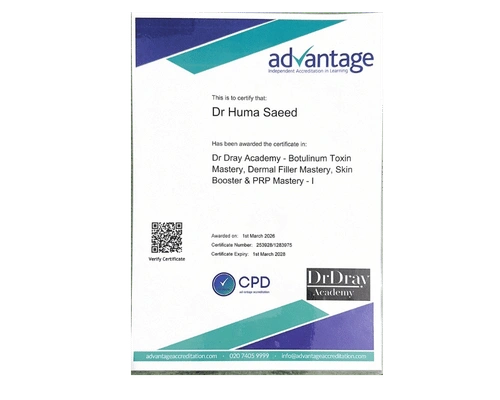
Our Certification
















Frequently Asked Questions
What are dermal fillers?
Dermal fillers are injectable substances used to temporarily add volume, enhance selected facial contours or soften the appearance of certain lines and folds. Many commonly used facial fillers are based on hyaluronic acid. ASA
Which areas can be treated with dermal fillers?
Depending on your facial anatomy and individual goals, dermal fillers may be considered for areas such as the lips, cheeks, chin, jawline and selected lines around the mouth. Your practitioner will advise which areas may be appropriate following an assessment.
When will I see results after dermal fillers?
Changes in contour or volume can often be seen immediately after treatment, although temporary swelling may affect the initial appearance. The treated area should be allowed to settle before the final result is assessed.
How long do dermal fillers last?
Results are temporary. At Wellbeing Aesthetic, the existing treatment guidance indicates that results may last around 9 to 18 months. Duration varies depending on the treatment area, filler used and individual factors. Wellbeing Aesthetic
Is there any downtime after dermal fillers?
Downtime is usually limited, but temporary swelling, redness, tenderness or bruising can occur around the injection sites. Your practitioner will explain what to expect and provide personalised aftercare advice.
Are dermal fillers suitable for everyone?
No. Age, pregnancy or breastfeeding, medical history, allergies, medicines and conditions affecting the treatment area can influence suitability. A consultation is required to determine whether treatment is appropriate for you.
Can dermal fillers look natural?
Dermal filler treatment can be planned according to your existing facial proportions and the outcome you want to achieve. A personalised approach focuses on balance and proportion rather than automatically adding more volume.
What should I ask before having dermal fillers?
Ask who will perform the treatment, what qualifications and experience they have, which filler product will be used, where the product comes from, possible complications and what aftercare is available. These are also areas the NHS recommends discussing before treatment. nhs.uk